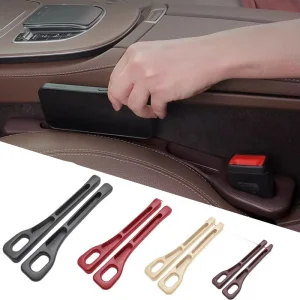
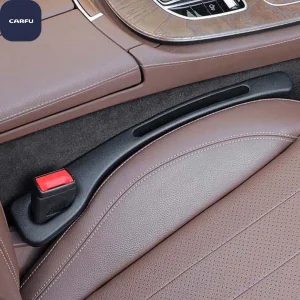
Engineered to prevent debris drop, optimize console spaces, and resist coastal humidity for commuter and luxury vehicles.
As the financial capital of India, Mumbai operates on a scale of mobility that demands extreme reliability and resilience from automotive components. The city's unique socio-economic mix, combined with its challenging environment, has driven a massive surge in the demand for premium automotive interior protection products, specifically seat gap fillers and protectors.
Mumbai's coastal location brings high humidity and salinity levels that accelerate the degradation of car interior materials. In parallel, the infamous daily traffic jams on routes like the Western Express Highway and the Eastern Express Highway mean that drivers and passengers spend extended periods within their vehicles. This prolonged usage increases cabin wear and tear, leading fleet operators, taxi aggregators, and luxury car owners to seek robust interior care solutions.
High-grade TPU and water-resistant PU leather protect seat crevices from mold growth, water ingress, and salt-air corrosion common in coastal Maharashtra.
Continuous start-stop traffic patterns increase drop-rates of daily necessities like smartphones, keys, and coins between console seams.
Industrialization and coastal construction create high PM10 levels in Mumbai, forcing debris into seat tracks, causing premature slider failures.
China's automotive accessory sector stands at the absolute global peak of manufacturing efficiency, materials research, and supply chain vertical integration. Hangzhou Xotiq Auto Co., Ltd. leverages this formidable base to deliver unparalleled OEM and ODM seat gap solutions. By utilizing advanced production facilities in Zhejiang province, we ensure high cost-efficiency, rapid prototyping, and consistent polymer extrusion technology.
For distributors and bulk purchasers based in Mumbai, sourcing directly from a top-tier Chinese factory yields massive margins and customization options. From custom logo branding to tailored density matrices of silicone and memory foam, the direct-to-factory model eliminates intermediaries, offering direct cost savings of up to 40% compared to local middle-tier distributors.
 Xotiq Auto