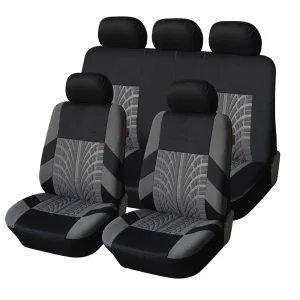
Explore our elite collection of engineered massagers, support devices, and interior comfort elements developed for global OEMs and aftermarket distributors.
A comprehensive analysis of sourcing structures, quality standards, and materials science dynamics driving modern automotive and space interiors.
The global fabric upholstery and automotive seating accessories manufacturing sector operates at the intersection of material science, ergonomics, and macro-industrial engineering. Leading manufacturing hubs, primarily concentrated in East Asia, have shifted from simple textile assembly lines to high-tech research, development, and advanced engineering ecosystems. Modern facilities operate massive woven and non-woven fabric matrices designed to withstand multi-year environmental exposure, cyclic physical loads, and high friction.
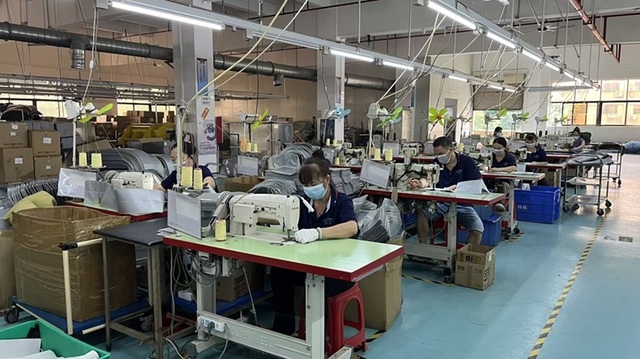
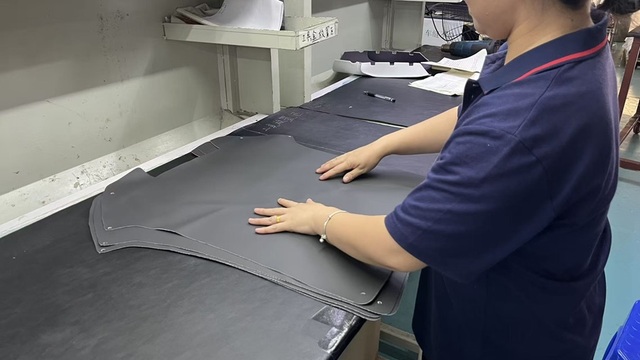
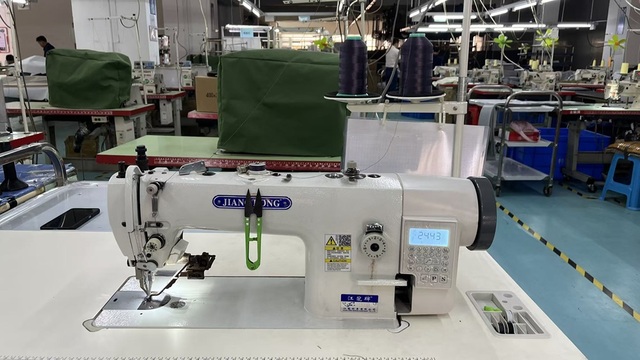
Within this competitive ecosystem, Hangzhou Xotiq Auto Co., Ltd. stands as a premier example of how professional Chinese manufacturing structures have evolved. By establishing vertically integrated workflows—ranging from initial polymeric material selection and complex structural design validation to automated CNC pattern stitching—they cater directly to the rigorous criteria demanded by international distributors and automotive wholesalers.
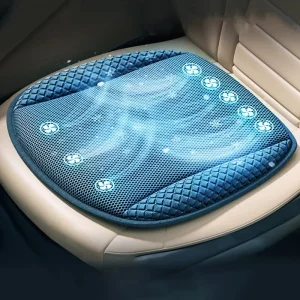
Upholstery fabric intended for high-wear automotive or workspace environments cannot rely solely on standard aesthetics. It requires highly engineered yarn compositions (such as solution-dyed polyamides, high-tenacity polyesters, and eco-friendly polyurethane composites) built to prevent pile crushing, fiber migration, and early tactile wear. Furthermore, the inclusion of multidimensional spacer fabrics (such as air-mesh networks and knitted microfibers) optimizes the convective thermal dynamics of the seating surface, addressing passenger perspiration during extended commutes.
Industrial purchasers must base procurement decisions on verifiable laboratory metrics rather than superficial design appeal.
Verifiable compliance with Martindale and Wyzenbeek wear test specifications is critical. Commercial-grade upholstery requires minimum standards of 50,000 to 100,000 double rubs. This ensures resistance to premature piling, tear propagation, and dimensional instability under dynamic loads.
Automotive interiors endure harsh greenhouse environments with ambient temperatures exceeding 70°C. Suppliers must utilize solution-dyed, UV-stabilized yarns capable of scoring grade 4-5 on the blue wool scale to prevent photo-bleaching and polymer degradation.
Top-tier suppliers must guarantee compliance with global chemical containment and emissions frameworks, such as REACH, RoHS, and OEKO-TEX standard 100. This ensures the omission of hazardous azo dyes, formaldehyde, heavy metals, and persistent organic pollutants.
Investigating the transition towards smart textile integration, eco-responsible polymers, and high-performance tactile interfaces.
The automotive and commercial furniture sectors are actively reducing their carbon footprint by sourcing fabrics containing post-consumer recycled polyethylene terephthalate (RPET) and bio-based polyols. Utilizing circular manufacturing systems, suppliers transform ocean plastics and agricultural byproducts into high-grade yarns that perform identically to virgin petrochemical derivatives.
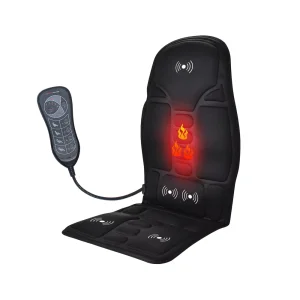
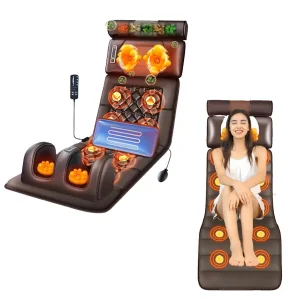
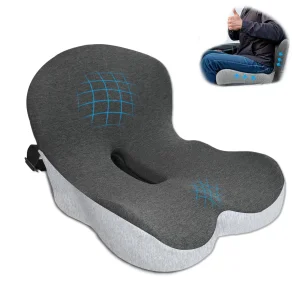
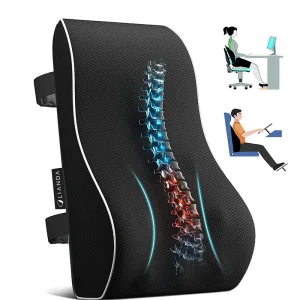
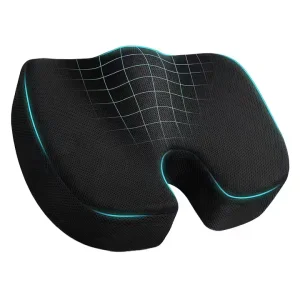
Modern seat cushions are evolving from passive shock absorbers to active ergonomic systems. By incorporating heating arrays, multi-node massage motors, and memory foam structures, manufacturers enhance lumbar support and minimize muscular fatigue. Hangzhou Xotiq Auto Co., Ltd. leads this category by engineering multi-functional seat pads that combine structural stability with electric therapeutic interfaces.
Spills, perspiration, and mechanical friction are minimized using hydrophobic nanocoatings. Rather than clogging pores with solid plasticizers, nano-engineered coatings bond directly to individual fabric fibers, preserving breathability while rejecting water, oil, and dust particles.
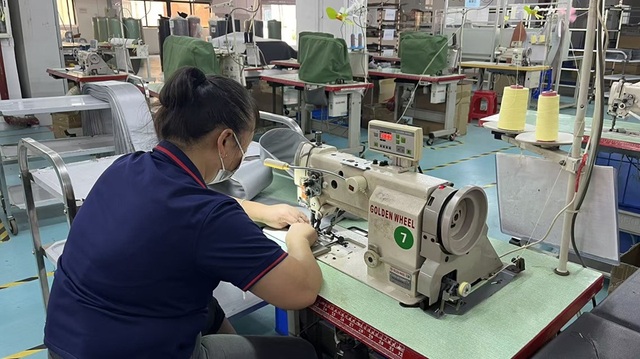
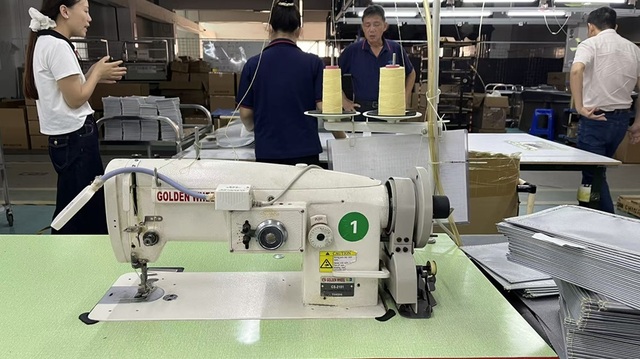
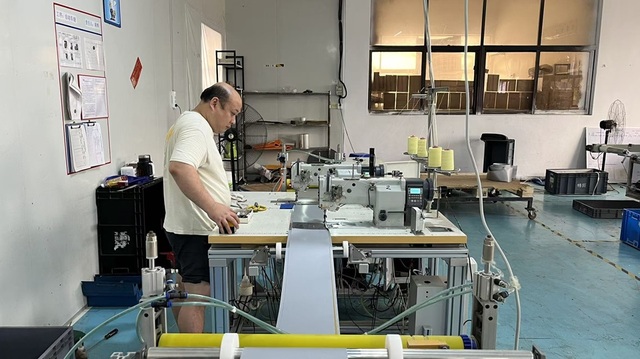
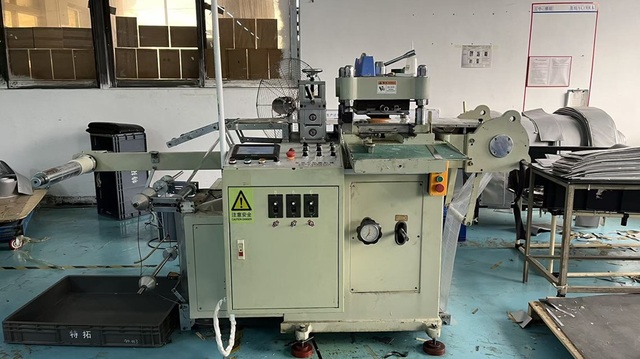
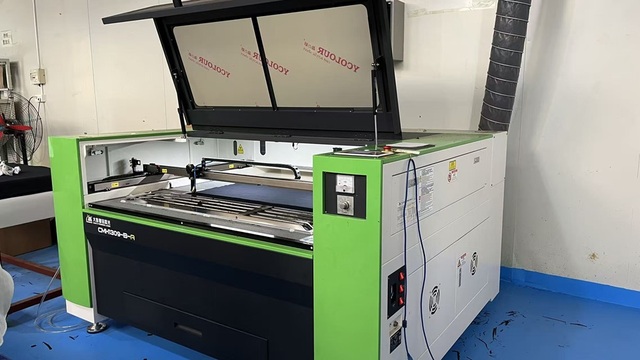
Delivering high-performance automotive seating solutions, custom protections, and premium interior accessories to global markets.
Hangzhou Xotiq Auto Co., Ltd. is a professional China car seat accessories manufacturer specializing in the design, development, production, and global supply of premium automotive seating products and interior protection solutions. With years of industry experience and a commitment to innovation, quality, and customer satisfaction, Xotiq Auto has become a trusted partner for automotive brands, distributors, wholesalers, and aftermarket suppliers worldwide.
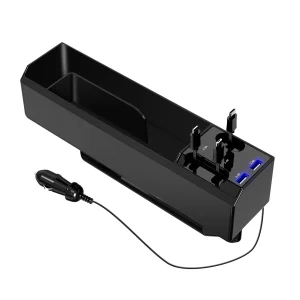
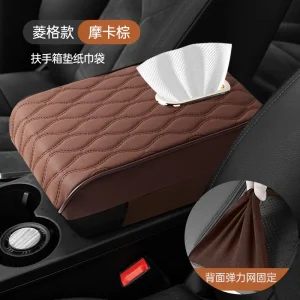
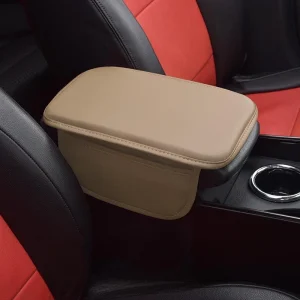
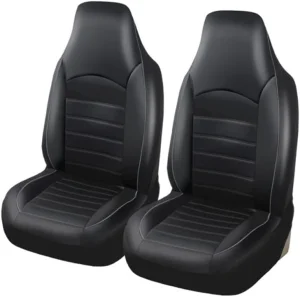
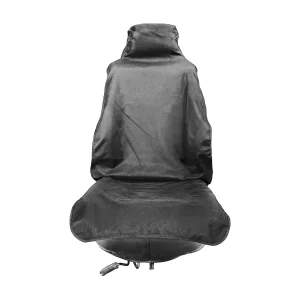
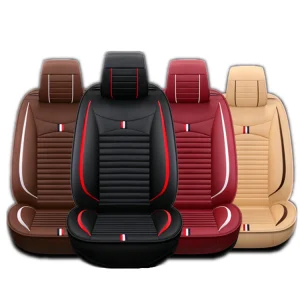
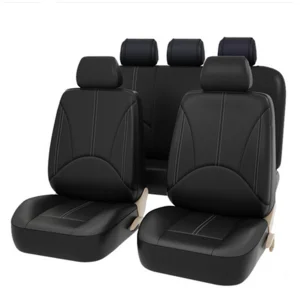
Their comprehensive product portfolio includes car seat covers, custom-fit seat covers, seat cushions, memory foam cushions, lumbar support cushions, neck pillows, waterproof seat protectors, pet seat covers, child seat protectors, armrest cushions, seat gap fillers, and other automotive interior accessories. These products are widely used in passenger vehicles, commercial vehicles, SUVs, trucks, electric vehicles, and fleet applications.
At Xotiq Auto, they are committed to delivering products that combine comfort, durability, functionality, and style. Supported by an experienced R&D team and advanced manufacturing facilities, they continuously develop innovative automotive seating solutions using high-quality materials and modern production technologies. Their products are designed to enhance driving comfort, protect vehicle interiors, and improve the overall driving experience.
Quality is the cornerstone of their business. Every product undergoes strict quality control procedures, from raw material selection to final inspection, ensuring outstanding durability, precise fitment, and consistent performance. They also offer flexible OEM and ODM services, enabling customers to develop customized products tailored to specific market demands and branding requirements.
Serving customers across Europe, North America, Asia, the Middle East, South America, and other international markets, Hangzhou Xotiq Auto Co., Ltd. continues to build long-term partnerships based on quality, innovation, and reliable service.
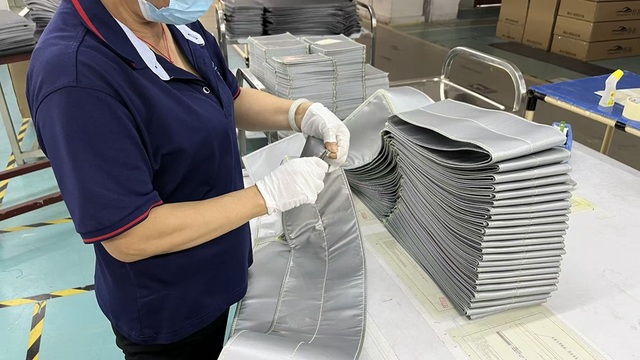
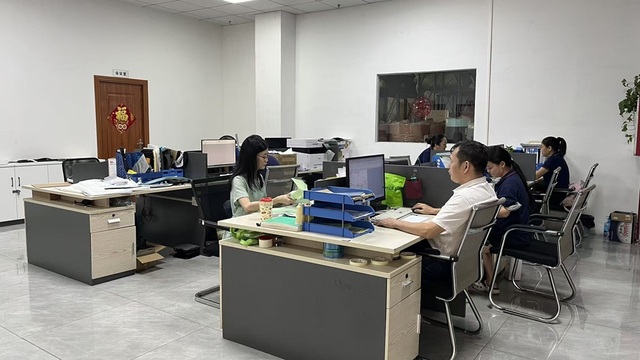
Addressing technical, structural, and procurement inquiries for commercial fabric upholstery and automotive seating solutions.
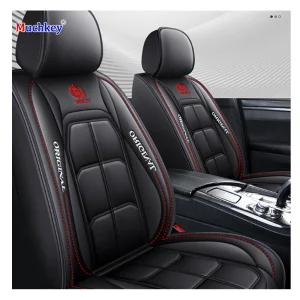
Discover our custom-fit seat covers and protective accessories designed to preserve vehicle value and comfort.
 Xotiq Auto