Engineered to maximize vehicle cabin storage efficiency, protect upholstery integrity, and optimize driving comfort.
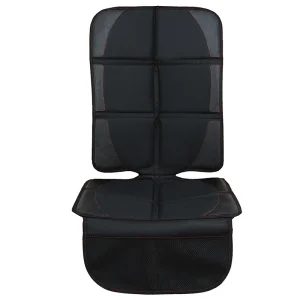
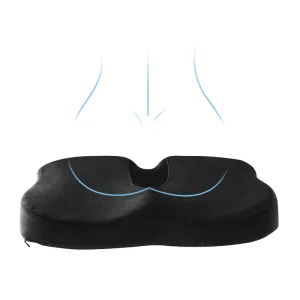
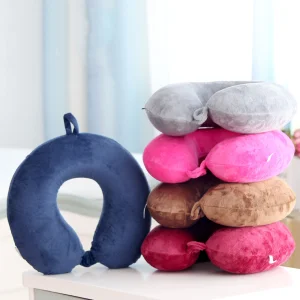
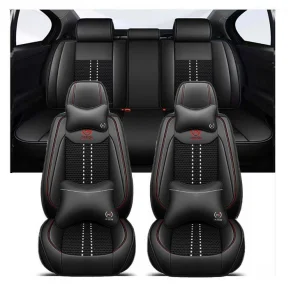
The modern automotive interior is no longer merely a functional space for driving; it has transitioned into an extension of the workspace, a digital connectivity hub, and a mobile relaxation zone. This fundamental shift in consumer vehicle utility is driving global demand for sophisticated back seat organizers and interior storage ecosystems. B2B procurement professionals, ranging from Tier-1 automotive accessory brands to global retail chains, face the challenge of sourcing organizers that balance design elegance, material durability, and regulatory compliance.
This industry report delivers an in-depth analysis of the top manufacturing standards, material compositions, and factory assessment protocols necessary to secure a reliable, high-yield manufacturing partner. As lead times fluctuate and raw material costs shift, understanding the operational mechanics of dominant suppliers, particularly in main industrial hubs such as Zhejiang, China, becomes a critical competitive advantage.
A high-quality back seat organizer is evaluated on its ability to withstand consistent mechanical load, resist UV radiation inside closed cabins, and protect structural components under high tension. Industry-standard specifications prioritize the following elements:
Material density is fundamental. Sourcing teams should look for factories utilizing at least 600D to 900D Oxford canvas or high-grade PU leather, which offers superior wear resistance, easy cleaning, and structural shape retention. Cheaper alternatives (such as 190T or 210D polyester) are prone to tearing and sagging under load, leading to high returns and brand degradation in aftermarket retail channels.
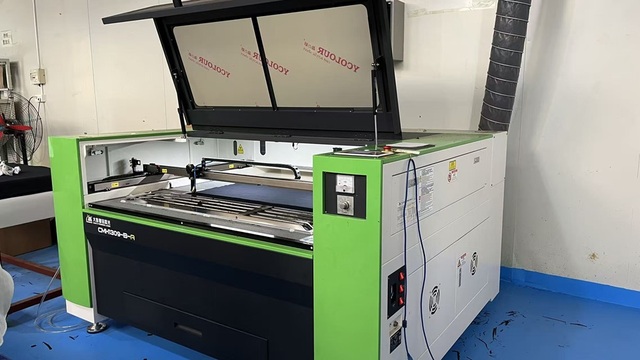
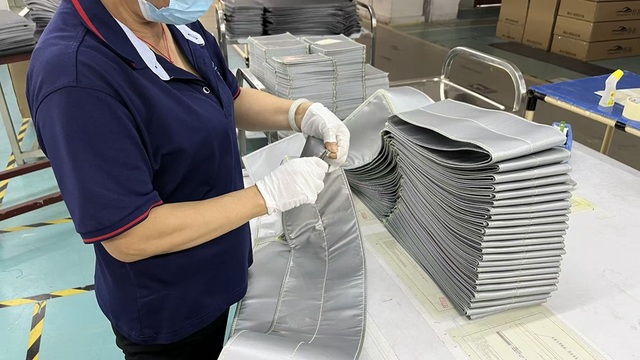
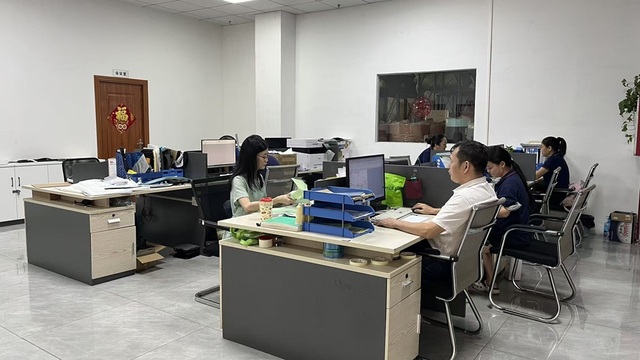
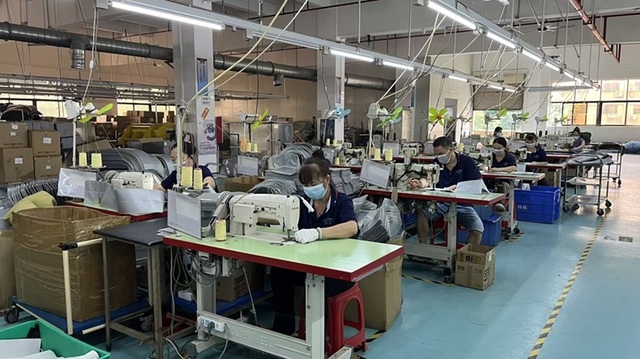
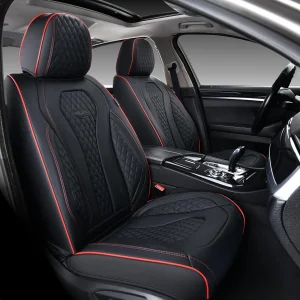
A premier example of a Tier-1 manufacturing partner is Hangzhou Xotiq Auto Co., Ltd., a professional manufacturer specializing in the research, design, and manufacturing of premium automotive seating products, interior protection systems, and storage accessories. Located in the heart of Zhejiang's manufacturing corridor, Xotiq Auto operates a high-capacity production facility optimized for fast lead times, custom prototype rendering, and strict quality control.
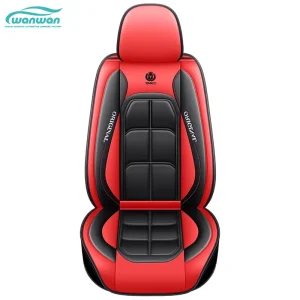
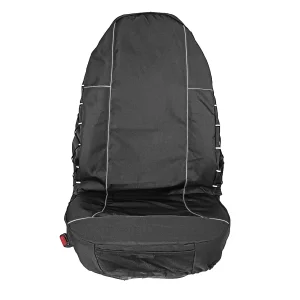
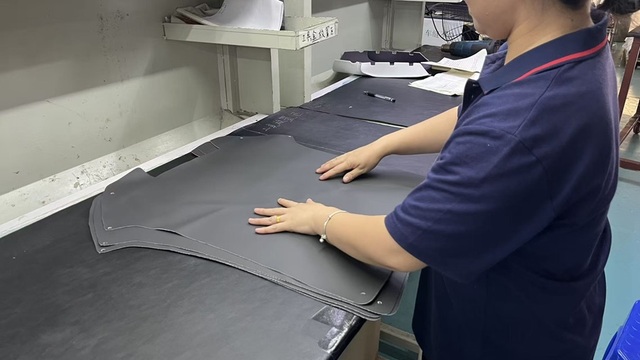
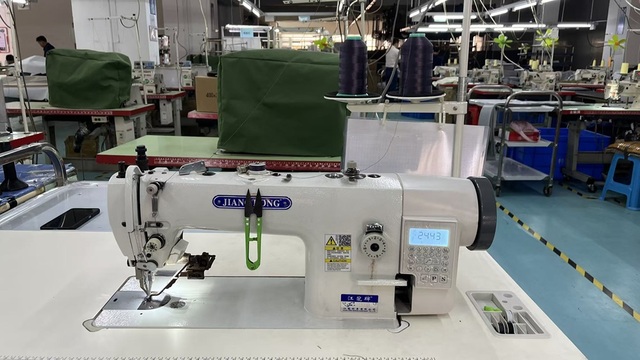
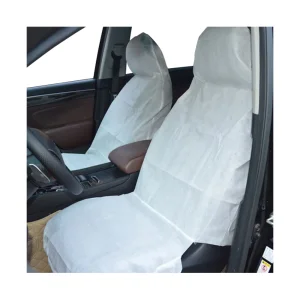
The factory's product portfolio is built to accommodate global demands, including car seat covers, custom-fit protectors, memory foam cushions, and rugged cargo management accessories. By deploying advanced automated cutting tables, heavy-duty sewing equipment, and an in-house tensile testing laboratory, Xotiq Auto delivers consistent product quality that complies with North American and European regulatory frameworks.
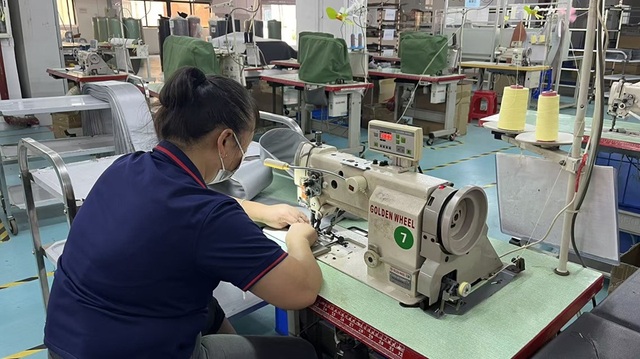
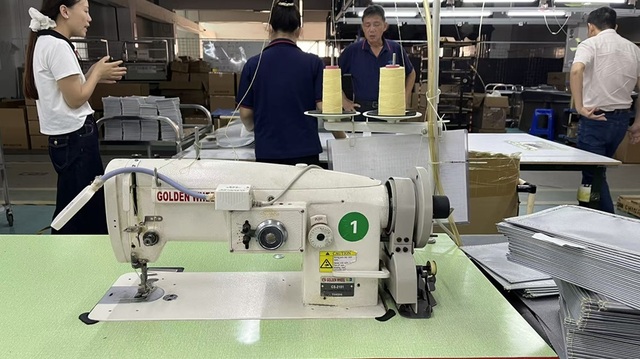
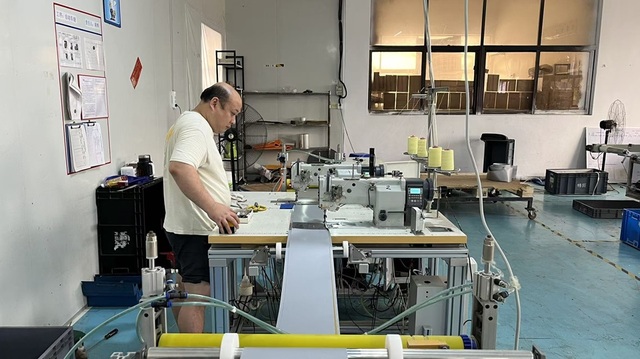
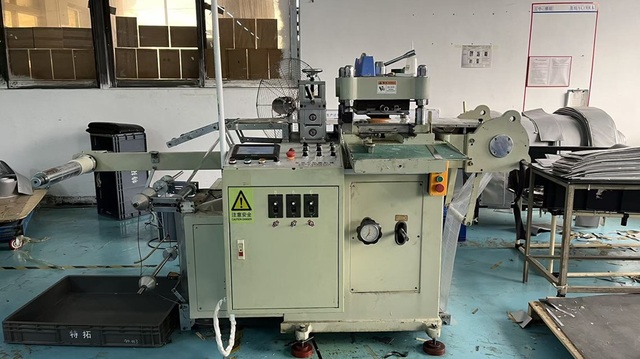
As autonomous vehicles (AVs) and electric vehicles (EVs) redesign passenger space, organizers are transforming from passive hanging bags into active ergonomic systems.
Future iterations include built-in inductive wireless charging pockets and integrated USB-C power routing pass-throughs, converting standard organizers into mobile device charging hubs.
Utilizing TPU-coated fabrics with integrated silver-ion treatments to inhibit bacterial growth, ensuring safety for family-oriented vehicles and rideshare fleets.
Moving away from basic nylon straps toward high-tensile quick-release buckles and proprietary magnet systems that integrate directly into OEM seat frame slots.
When selecting a manufacturing partner, sourcing teams must navigate diverse factory profiles. Key criteria include raw material access, manufacturing precision, quality management systems (QMS), and shipping logistics infrastructure. Below is an analytical matrix contrasting different factory tiers in the automotive interior industry:
| Factory Classification | Primary Target Markets | Key Advantages | Potential Risks | Average Lead Times |
|---|---|---|---|---|
| Tier-1 OEM Suppliers (e.g., Hangzhou Xotiq Auto) | Global Brands, OEM/ODM contracts, large-scale distributors | Direct raw material access, R&D custom design support, strict ISO 9001/IATF 16949 compliance | Higher MOQs for deeply custom projects | 25-35 Days |
| Medium-Scale Local Assemblers | Regional aftermarket brands, local distributors | Lower MOQs, high flexibility on short production runs | Inconsistent material quality, lack of laboratory testing equipment | 30-45 Days |
| Generic Trading Entities | Small e-commerce shops, drop-shippers | Very low MOQs, wide selection of catalog products | No direct control over design/materials, inflated middleman pricing | 15-20 Days (Stock items) |
For import into North America and Western Europe, back seat organizers must satisfy clean air and safety standards. B2B buyers must prioritize compliance certifications to avoid customs delays and product liability:
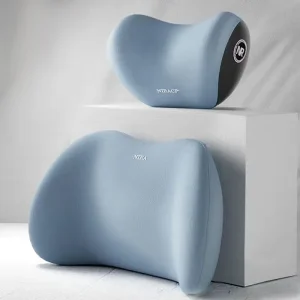
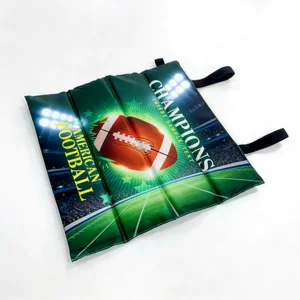
Discover our range of ergonomic support pillows, summer cooling cushions, and heavy-duty, field-tested interior protectors.
When auditing potential suppliers, a paper certificate alone does not guarantee performance. A top-tier manufacturing partner should be requested to execute and share validation data from the following internal stress tests during pre-production approval stages:
Back seat organizers frequently support tablet computers, fluid bottles, and heavy toys. The primary point of structural failure is the seam connection where the mounting straps anchor to the body. Tier-1 factories mount the product on standard dummy seats, load each pocket with weights totaling 15-20 kg, and perform a continuous vertical shake test of 5,000 cycles to simulate rough road travel. Only organizers displaying less than 1.5mm of stitching displacement should be accepted.
The interior of a vehicle parked in direct sunlight can reach temperatures exceeding 75°C (167°F). Under these intense thermal conditions, lower-quality PVC-backed polyesters undergo accelerated degradation, releasing harmful volatile organic compounds (VOCs) and developing a sticky, peeling texture. Advanced factories place sample materials into a climate test chamber at 85°C with high relative humidity (above 90%) for 168 consecutive hours to ensure no structural breakdown, chemical off-gassing, or fading occurs.
Back seat organizers are subject to friction from cargo, passengers, and cleaning agents. High-durability materials must achieve at least 15,000 double-rubs under Taber test specifications (ASTM D4157 or equivalent) before showing fiber rupture. Fabrics like 900D Oxford and high-end synthetic polyurethane leathers easily meet and exceed this standard, extending the product lifetime compared to cheap promotional-grade products.
Expert insights addressing key inquiries from procurement managers, supply chain directors, and automotive brand buyers.
MOQs typically range from 500 to 1,000 units for standard custom branding. For completely custom designs requiring new mold patterns, toolings, or specialized materials, MOQs generally start at 2,000 units to offset manufacturing setup costs.
We source raw materials that comply with FMVSS 302 and ISO 3795 flammability standards. Upon request, we provide certified test reports from third-party agencies such as SGS or TÜV, validating the burn rate limits of the materials.
Yes. EV seats are often slimmer and feature integrated headrests. As a full-service ODM, we can develop custom mounting solutions, strap configurations, and profile patterns designed to integrate seamlessly with modern EV seating geometries.
We provide retail-ready packaging, including high-strength corrugated color boxes, custom-designed kraft paper sleeves, and space-saving vacuum-compressed plastic bags. For online sellers, we offer drop-test certified outer carton packaging to minimize transit damage.
Standard payment terms are 30% T/T deposit and 70% balance payable against the Bill of Lading (B/L) copy. We offer comprehensive FOB, CIF, DDP, and EXW shipping arrangements through major ports including Shanghai and Ningbo.
 Xotiq Auto