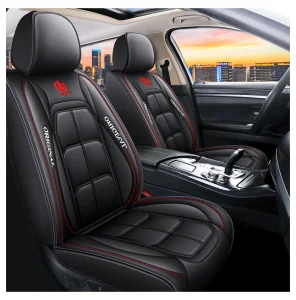
Engineered for universal compatibility, orthopaedic support, and high-durability commercial performance. Review our premium range below.
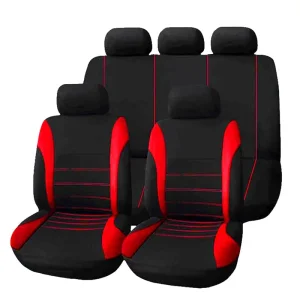
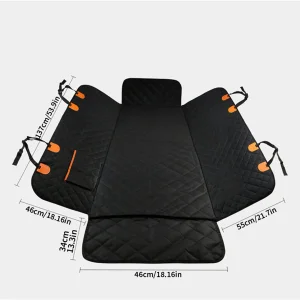
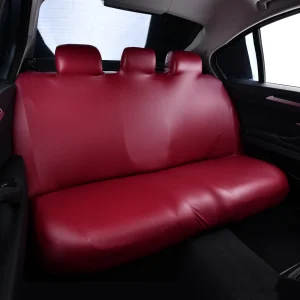
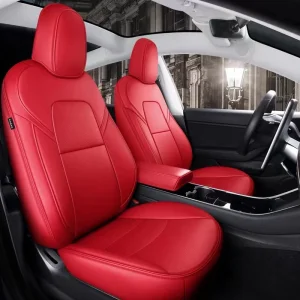
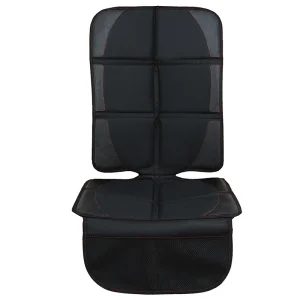
The ergonomic support segment has shifted from consumer aftermarket novelties into highly regulated, safety-critical commercial seating components.
Occupational health policies worldwide—particularly within the European Union (EU-OSHA) and North America (OSHA)—now mandate precise biomechanical interventions for professional drivers, heavy equipment operators, and industrial workers. High-density, adjustable lumbar supports and seating systems prevent chronic musculoskeletal disorders (MSDs), directly translating to lower insurance premiums and reduced absenteeism for fleets and office operations.
In the automotive space, Tier-1 suppliers and direct distributors are integrating variable density polyurethane, gel-infused memory foams, and localized pneumatic support cells. This transition demands manufacturing partners who can combine raw elastomer chemistry with textile mechanics to satisfy strict wear-and-tear standards over lifetimes exceeding 100,000 compression cycles.
Environmental factors and mechanical interfaces dictate regional, customized seating solution profiles.
Class 8 truck drivers average over 100,000 miles annually. Physical strain profile demands dual-zone lumbar structures, heavy-duty anti-slip backings, and high-density memory foam capable of damping low-frequency cabin vibrations. Our memory foam and lumbar cushion lines target these specific requirements.
Driven by strict environmental and REACH toxicological regulations, the European B2B market demands seat cushions made with premium, hypoallergenic polyester fabric and clean leather alternatives. Ergonomic shape standards align with DIN EN ISO 9241 specifications for workplace seated positions.
Ride-sharing and delivery operations in hot climates rely heavily on active ventilation, 3D mesh composites, and breathable perforated synthetic leathers. Materials must resist moisture absorption and bacteria buildup while maintaining structured, orthopaedic tailbone and coccyx relief.
A primary failure mode of standard memory foam in hot regions is heat accumulation, which accelerates material breakdown. Incorporating breathable, open-cell polyurethane foam with convective channels reduces interface temperature by up to 2.4°C, sustaining long-term cushion resilience and passenger comfort.
Quantifying our engineering capabilities, global production output, and quality control baselines.
The transition from static, single-density foam slabs to multi-layered, active structural cushions.
Modern adjustable seating relies on pressure mapping technology to customize density profiles. By analyzing typical ischial tuberosity load patterns, our R&D team designs variable-firmness cores. These combine high-rebound bases with visco-elastic memory foam toppers, keeping tailbone pressure below the key threshold of 32 mmHg to prevent localized circulatory issues.
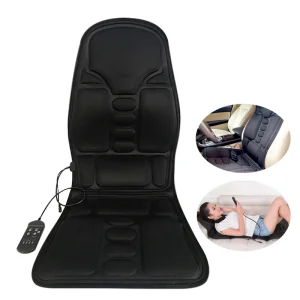
Furthermore, integration of pneumatic elements (manual or motor-driven air pump systems) allows users to dynamically shift support points across the lumbar region. Heating circuits and vibration massage modules operate in sync with the vehicle's electrical networks (12V/24V) to stimulate blood circulation and minimize long-haul fatigue.
| Material / Technology | Tensile Strength (MPa) | Thermal Dissipation Index | Best Application Case | Durability Rating |
|---|---|---|---|---|
| High-Density Viscoelastic Memory Foam | 1.2 - 1.5 | Medium-Low (Requires cooling gels) | Orthopaedic Coccyx Relief & Office Seating | Excellent (>5 Years) |
| 3 |
 Xotiq Auto