The automotive interior design paradigms are undergoing a transformative evolution, shifting from basic passenger enclosure elements to highly interactive, smart ergonomic modules. Globally, OEMs and Tier-1 automotive procurement agents demand custom configurations that optimize weight, introduce sensory comfort, and secure long-term cabin durability.
As Electric Vehicles (EVs) dominate vehicle launch cycles, reducing cabin weight while integrating electrical thermal elements (such as advanced low-voltage heating networks) has become a primary engineering KPI. OEMs are replacing rigid seating substrates with custom-molded high-resiliency foam and breathable micro-porous composites to drive both range efficiency and luxurious seating postures.
"By 2030, the global automotive interior accessories market is projected to scale beyond USD 220 Billion, catalyzed by the growth of shared mobility fleets, automated driving levels, and consumer expectations surrounding micro-climate and posture-health configurations."
For volume suppliers like Hangzhou Xotiq Auto Co., Ltd., this trajectory calls for dynamic manufacturing configurations capable of handling high-mix, low-volume (HMLV) customized runs alongside massive Tier-1 standardized productions.
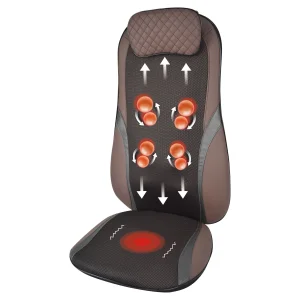
Our R&D pipeline at Hangzhou Xotiq Auto focuses on merging material physics with anatomical ergonomics. By incorporating smart thermodynamic components directly into the seat layering, we deliver immediate cabin heating or cooling with minor power draws.
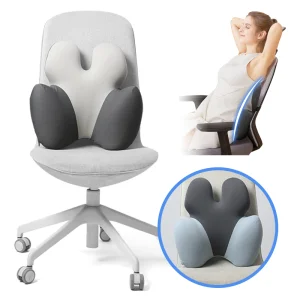
Through structural pressure mapping, our memory foam architectures prevent pressure point concentration during cross-province transport. This prevents blood flow restriction and musculoskeletal strain—crucial for commercial operations and luxury aftermarket setups.
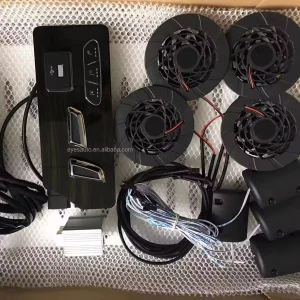
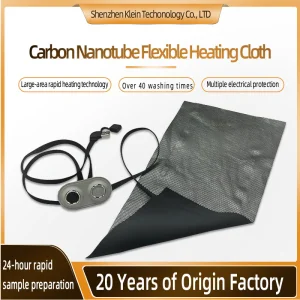
Transitioning from traditional coiled nichrome heating elements to low-voltage (5V/12V) graphene matrices, reducing power consumption by 35% while creating highly uniform thermal heat fields.
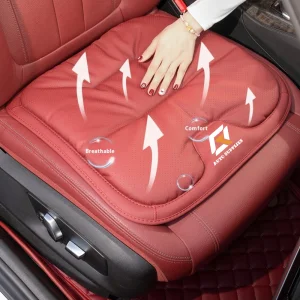
Developing micro-channeled 3D polymers that maximize passive thermal exchange, lowering interface temperatures by up to 3.5°C without mechanical fan integration.
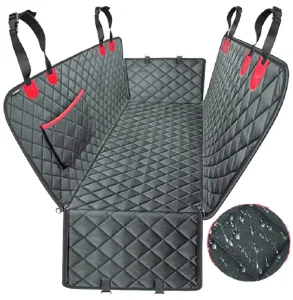
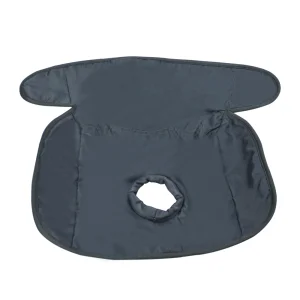
Applying thin, non-migrating antimicrobials directly onto waterproof seat barriers, securing sanitation inside heavy-use shared transit networks and pet transit fleets.
Hangzhou Xotiq Auto Co., Ltd. stands at the forefront of China's automotive seat accessories sector as an established, expert manufacturer. We specialize in the conceptualization, execution, raw material procurement, and international export of premier vehicle interior protection systems and ergonomic seating components.
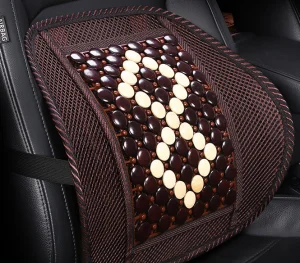
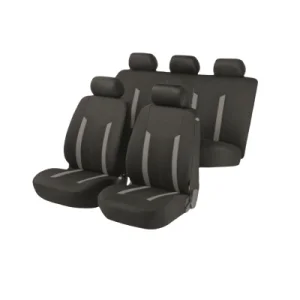
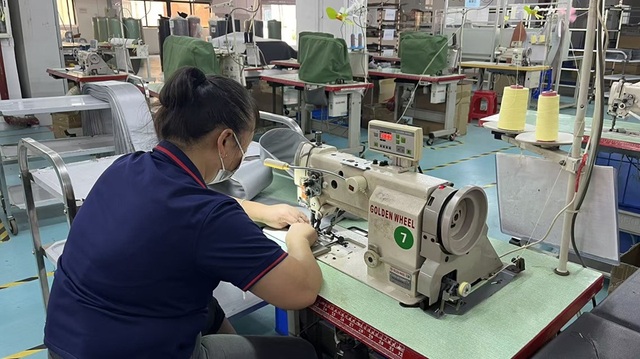
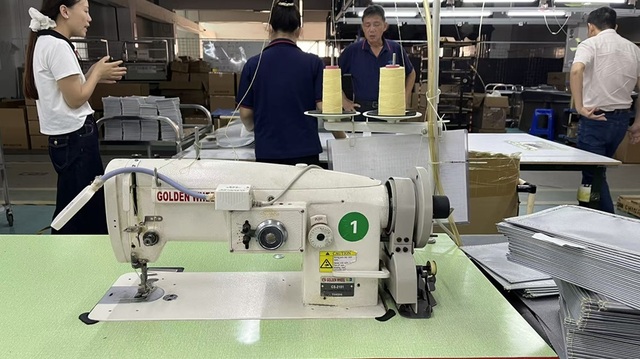
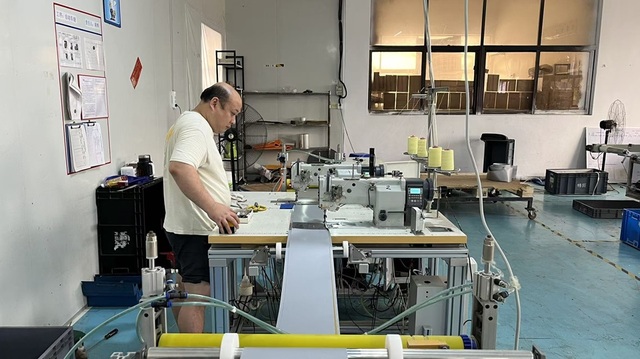
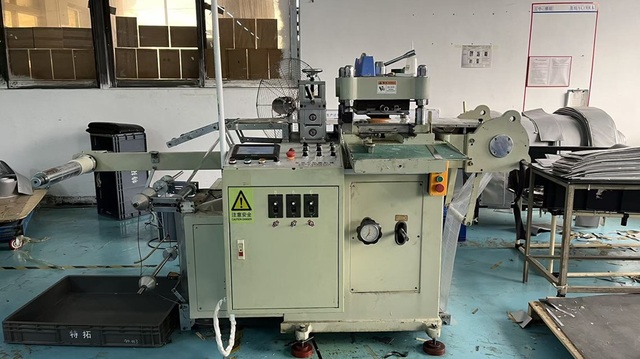
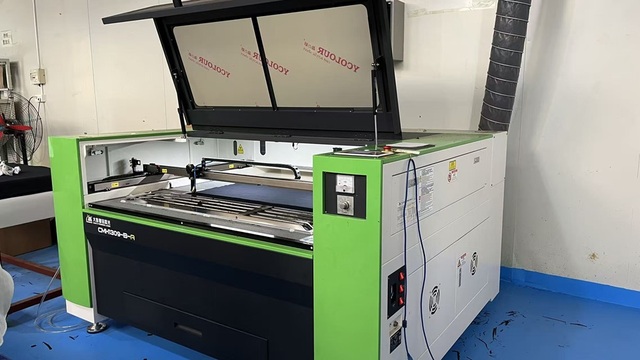
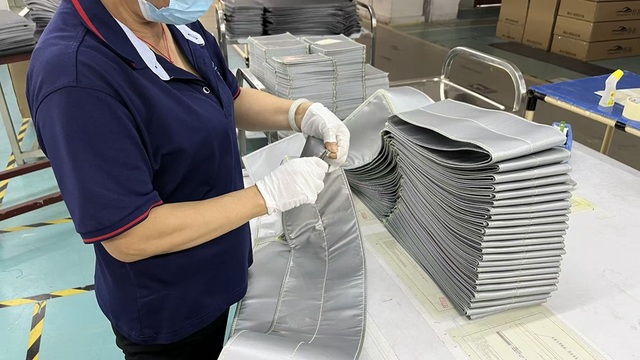
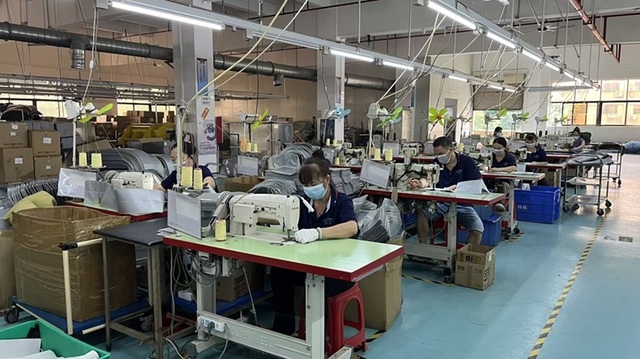
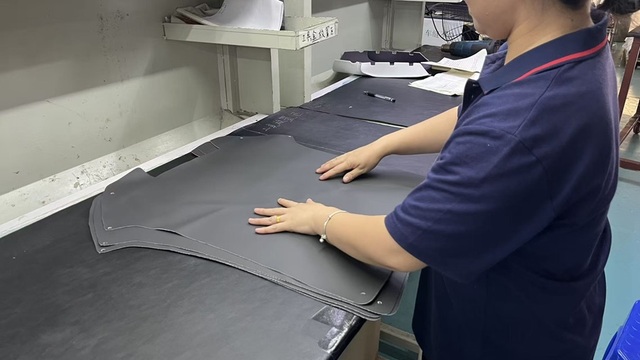
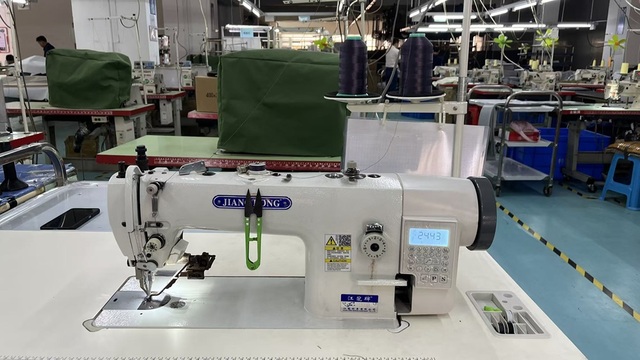
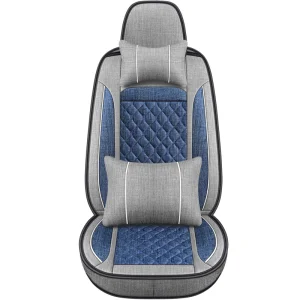
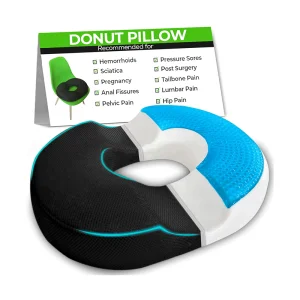
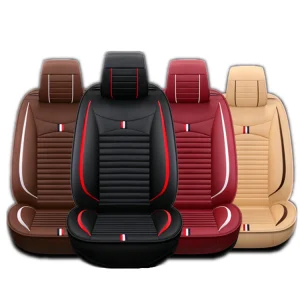
Backed by a multi-disciplinary R&D engineering crew and automated cut-and-sew systems, we process complex OEM designs with tight tolerances. Our catalog covers universal and vehicle-specific seat protection, memory foam orthopedic pillows, pet barrier layers, space fillers, and thermal seat integrations.
We serve major distribution and aftermarket hubs across North America, Europe, Asia-Pacific, and the Middle East, keeping supply chains fluid with customized logistics options.
Our raw materials pass rigorous automotive-grade testing:
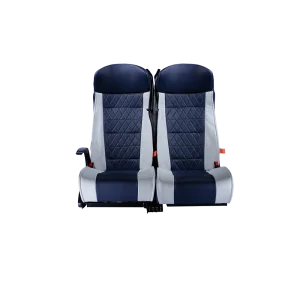
Long-haul commercial driving is subject to strict health guidelines. Our medical-grade memory foam cushions and integrated back supports are optimized for utility drivers to combat spine compression. For mass transit providers, we supply heavy-duty seat covers with integrated safety harness access.
We support EV brands seeking to preserve battery charge. Our low-draw graphene-based seat heating panels offer local heat transfer, cutting down on energy-heavy cabin HVAC use.
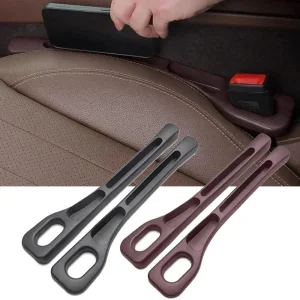
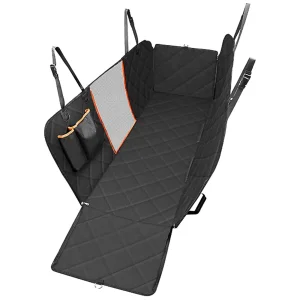
Different climates demand distinct material selections. In cold-weather regions like Northern Europe and Canada, our 12V heated systems and fleece-lined protectors lead our product deliveries. Conversely, the humid Asia-Pacific region favors breathable 3D ice silk and odor-resistant layers. For North American SUVs, heavy-duty pet covers and gap storage units are key consumer items.
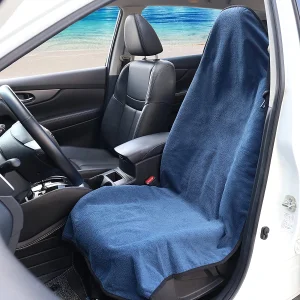
With pet travel and active lifestyles rising, our waterproof, scratch-resistant TPU and polyurethane composite seat covers protect vehicles' original upholstery, retaining vehicle trade-in values.
 Xotiq Auto