Custom OEM Gap Fillers Factories & Exporters

Precision-Engineered Seating Interstitials, Ergonomic Spacers & Technical Polymeric Sealing Solutions for Global OEM/ODM Procurement Networks

1. Global Industrial Landscape of Automotive Gap Fillers

Analyzing macro-level supply chain demands, NVH damping configurations, and the structural safety benefits of custom gap sealing components.

Within the modern automotive interiors sector, the spatial design of passenger compartments demands precise tolerances to minimize component wear, enhance driver ergonomics, and satisfy rigid acoustic benchmarks. As electric vehicles (EVs) continue to capture market share, the absolute reduction of powertrain noise elevates the prominence of high-frequency road, tire, and interior cabin friction noises. Industrial-grade gap fillers and seat seam organizers serve a critical functional role in mitigating these disruptions. By sealing the structural spaces between the vehicle console, seating track assemblies, and structural chassis segments, these products act as specialized barriers that prevent small items from falling, absorb lateral vibrations, and damp localized acoustic transmissions.

Globally, corporate procurement departments and Tier 1 OEM suppliers are moving away from generic off-the-shelf seat accessories toward highly customized polymer matrices and specialized foam composites. Global trade statistics from major manufacturing zones indicate a sharp increase in requests for quotes (RFQs) targeting specialized materials such as high-density EVA, open-cell memory foam, and flame-retardant polyurethane structures. Importers from Western Europe, North America, and Northeast Asia require scalable manufacturing solutions that strictly adhere to localized safety and ecological declarations.

12+
Years R&D Experience
85+
Global Export Markets
100%
Strict QA Verification
ISO
Certified Processes

Furthermore, the automotive aftermarket sector is undergoing a rapid evolution. Retail platforms and direct-to-consumer (D2C) brands require bespoke packaging structures, custom branding elements, and specialized geometry files (CAD/STEP) to ensure precise seat configurations across vehicle makes ranging from high-capacity commercial semi-trucks to compact electric sedans. Consequently, working with an experienced manufacturer like Hangzhou Xotiq Auto Co., Ltd. offers global buyers the specialized vertical integration required to build, test, and distribute customized gap fillers, seat cushions, and interior protective accessories at scale.
2. Materials Science & Technical Specifications

A comprehensive overview of polymeric substrates, testing methodologies, and architectural designs used in high-durability gap solutions.

High-Density Elastomeric EVA

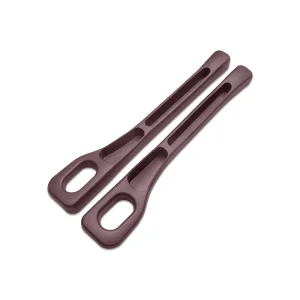
Utilized primarily for structural gap fillers and internal organizers, EVA (Ethylene-Vinyl Acetate) provides exceptional water resistance, low temperature resilience, and resistance to environmental stress-cracking.

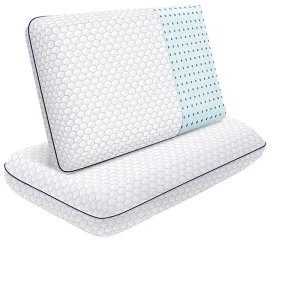
Memory Foam & Viscoelastic PU

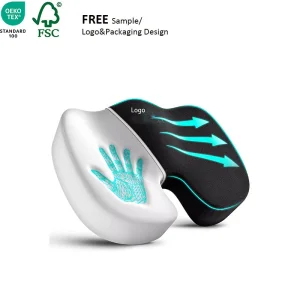
Engineered for ergonomic seat cushions and gap elements, memory foam responds to body temperature and weight to distribute pressure evenly and damp high-frequency vibration during vehicle operation.

Premium Vegan & Genuine Leathers

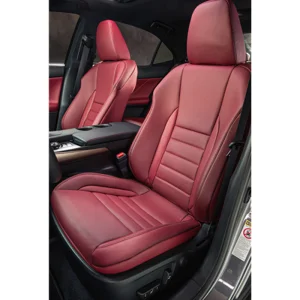
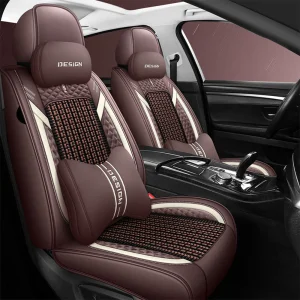
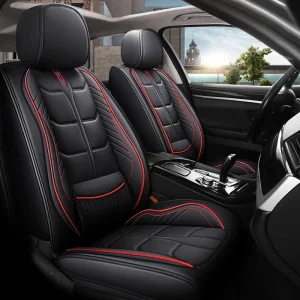
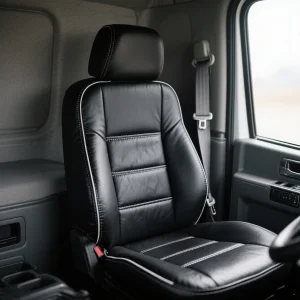
For high-end luxury vehicle modifications, our gap organizers and seat protection overlays leverage abrasion-resistant synthetic leather (polyurethane-based) that withstands over 100,000 double-rub wear tests.

Selecting the appropriate material requires analyzing chemical outgassing parameters and technical tolerances. In closed vehicle environments, VOC (Volatile Organic Compound) emissions must remain below micro-gram thresholds to protect occupant health and prevent window fogging. Our production lines subject foam compounds to thermal desorption and gas chromatography testing to ensure compliance with strict international automotive standards.

Furthermore, mechanical parameters like compression deflection, tensile strength, and tear resistance determine how long a gap filler maintains its protective fit. A high-quality EVA insert must retain its shape after cyclic compressions, matching the life of the vehicle seat assembly. In contrast, lower-grade open-cell foams often degrade, flatten, and crumble, failing to prevent debris buildup or reduce cabin noise.

3. End-to-End OEM & ODM Customization Blueprint

From initial design sketches and material formulation to rapid prototyping, verification, and high-volume injection molding.

For international procurement teams, Tier 1 automotive suppliers, and global distributors, the ability to rapidly develop custom designs is essential. We offer a structured OEM/ODM framework engineered to shorten product development timelines, optimize unit manufacturing costs, and ensure consistent batch-to-batch quality:

  • Parametric Design Consultation: Clients share their target vehicle console measurements or initial 3D models. Our R&D engineering team designs precise CAD structures that accommodate seat slide paths and seat belt anchors.
  • Custom Material Formulation: Depending on the target price point and performance requirements, we customize foam density, color matching, and flame retardancy levels to match the vehicle's interior finish.
  • Rapid Tooling & Prototyping: Utilizing CNC milling and 3D printing, we create functional prototypes within 7 to 10 working days, allowing clients to test fitment and finalize design lines before mass production.
  • Scalable Packaging & Branding: We offer custom product boxes, private labels, barcoding, and shipping configurations designed for direct placement in retail outlets or fulfillment warehouses.

This structured process ensures that whether you are introducing a specialized gap filler organizer, a custom-fit seat protector, or a memory foam comfort cushion, the finished product meets your brand's standards and local market expectations.

4. Advanced Manufacturing Infrastructure & QC Pipeline

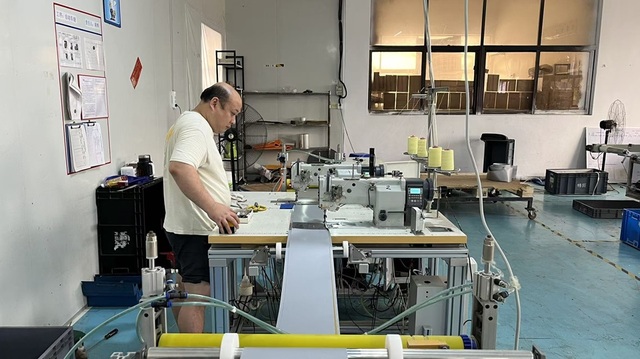
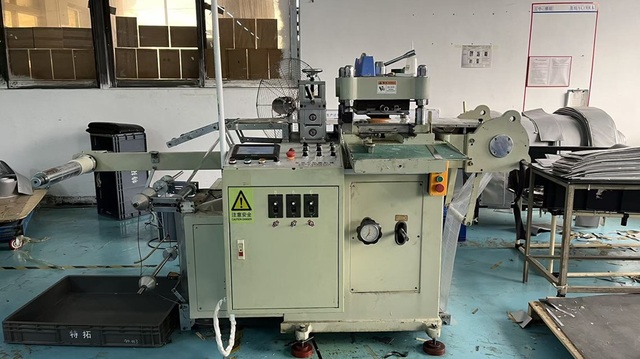
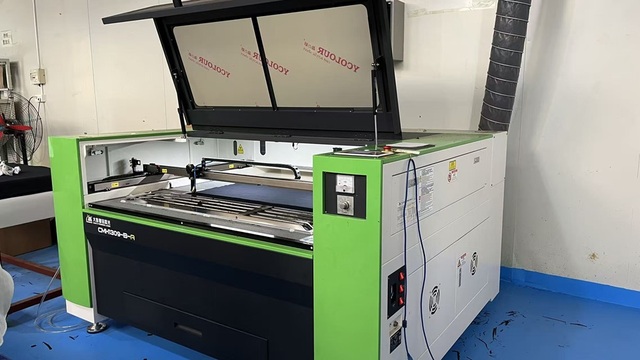
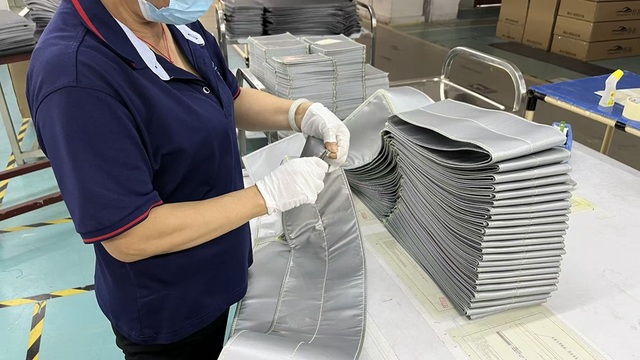
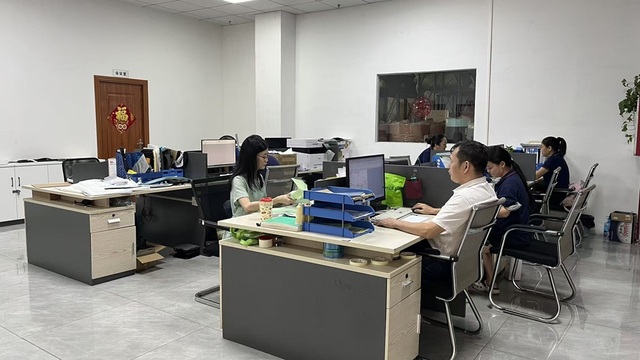
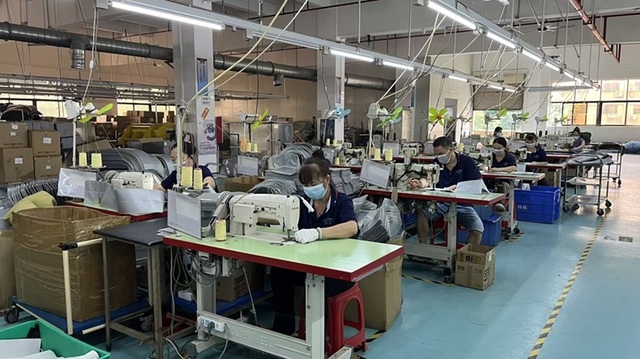
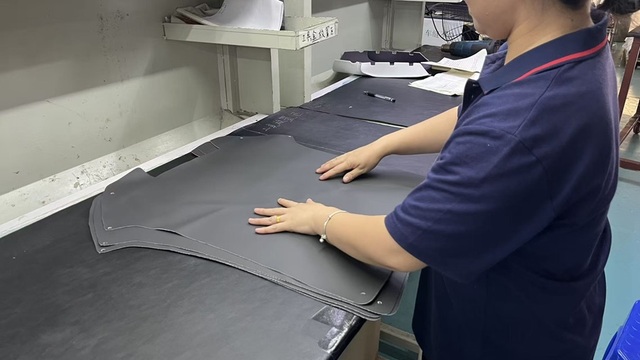
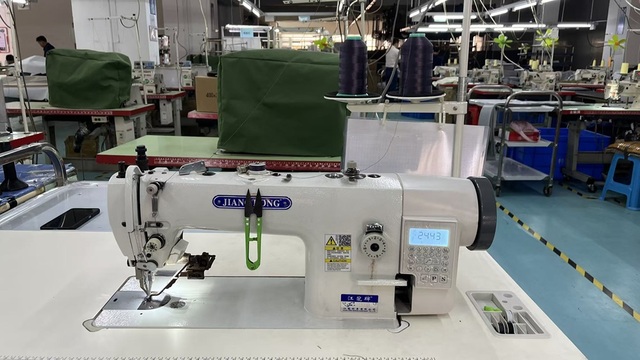
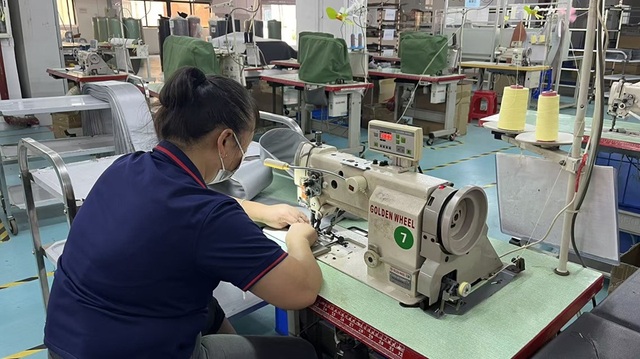
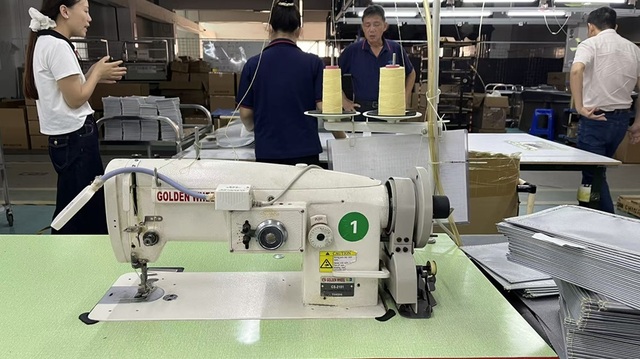
Inside Hangzhou Xotiq Auto Co., Ltd. — A state-of-the-art facility producing premium automotive seat accessories for global markets.

Hangzhou Xotiq Auto Co., Ltd. is a professional China car seat accessories manufacturer specializing in the design, development, production, and global supply of premium automotive seating products and interior protection solutions. With years of industry experience and a commitment to innovation, quality, and customer satisfaction, Xotiq Auto has become a trusted partner for automotive brands, distributors, wholesalers, and aftermarket suppliers worldwide.

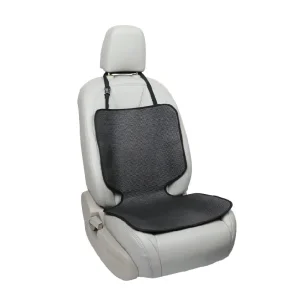
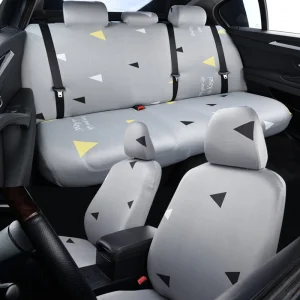
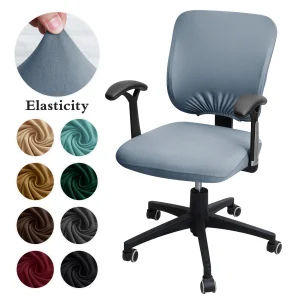
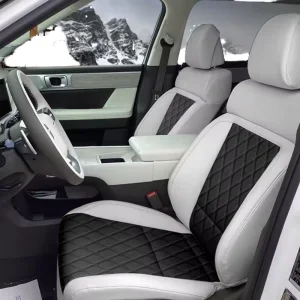
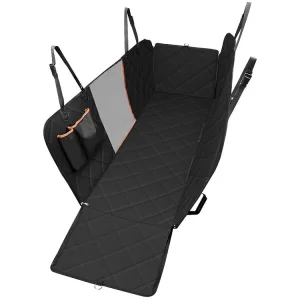
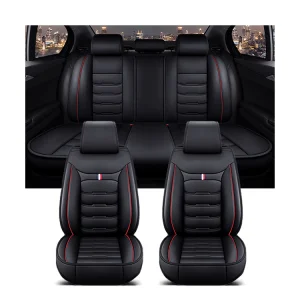
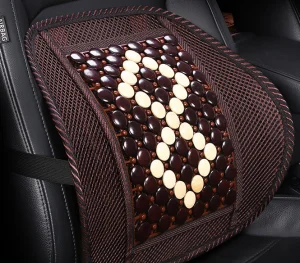
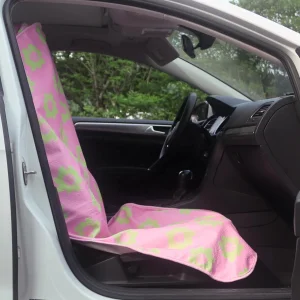
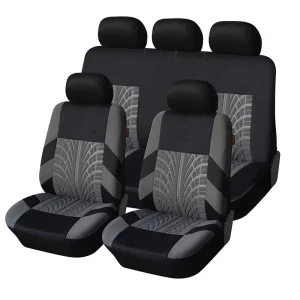
Our comprehensive product portfolio includes car seat covers, custom-fit seat covers, seat cushions, memory foam cushions, lumbar support cushions, neck pillows, waterproof seat protectors, pet seat covers, child seat protectors, armrest cushions, seat gap fillers, and other automotive interior accessories. These products are widely used in passenger vehicles, commercial vehicles, SUVs, trucks, electric vehicles, and fleet applications.

At Xotiq Auto, we are committed to delivering products that combine comfort, durability, functionality, and style. Supported by an experienced R&D team and advanced manufacturing facilities, we continuously develop innovative automotive seating solutions using high-quality materials and modern production technologies. Our products are designed to enhance driving comfort, protect vehicle interiors, and improve the overall driving experience.

Quality is the cornerstone of our business. Every product undergoes strict quality control procedures, from raw material selection to final inspection, ensuring outstanding durability, precise fitment, and consistent performance. We also offer flexible OEM and ODM services, enabling customers to develop customized products tailored to specific market demands and branding requirements. Serving customers across Europe, North America, Asia, the Middle East, South America, and other international markets, Hangzhou Xotiq Auto Co., Ltd. continues to build long-term partnerships based on quality, innovation, and reliable service.

5. Automotive Interior Innovations & Ecological Outlook

Analyzing key advancements in circular polymers, smart cabin integration, and global environmental standards.

The automotive industry is prioritizing environmental sustainability, prompting a shift toward circular manufacturing models. Traditional oil-based polyurethanes are gradually being replaced by bio-based alternatives derived from castor oil or soy resources. These bio-foams match the mechanical damping and durability of standard foam materials while significantly lowering production emissions.

At the same time, interior components are becoming more multifunctional. Future gap fillers and console dividers are expected to feature integrated electronics, such as ambient LED wiring, wireless charging coils, and tactile sensors. By embedding conductive traces directly into EVA or memory foam structures, developers can add utility to previously unused cabin spaces.

Additionally, the growth of shared mobility and autonomous vehicle networks demands interiors that are easy to clean and sanitize. This makes anti-microbial coatings, stain-resistant leather treatments, and waterproof structures essential for fleet vehicles. Xotiq Auto remains at the forefront of these industry changes, integrating sustainable materials and high-durability coatings into our global OEM and ODM production processes.

6. Compliance, Certifications & Global Logistics

Ensuring compliance with international safety regulations, chemical standards, and optimized multi-port distribution logistics.

Importing automotive components requires strict adherence to regional safety and environmental frameworks. Xotiq Auto prioritizes comprehensive compliance testing to guarantee hassle-free customs clearance and protect retail brands:

  • Flame Retardancy Standards: All passenger cabin materials are tested in accordance with FMVSS 302, ISO 3795, and UL 94 standards to ensure they meet mandatory burn rate limits.
  • Chemical Safety Declarations: Products undergo testing to verify they comply with EU REACH, RoHS, and California Proposition 65 regulations, ensuring they are free from heavy metals, lead, and phthalates.
  • Comprehensive Factory Audits: Our facilities are designed to support client inspections and third-party certifications, demonstrating our commitment to reliable manufacturing practices.
  • Efficient Export Logistics: Based in Hangzhou near major ports like Shanghai and Ningbo, we offer optimized shipping processes, including FCL, LCL, and integrated customs handling.

By partnering with Xotiq Auto, importers secure high-quality products along with the testing documentation and logistical support needed to meet strict industry demands.

Technical & Procurement FAQ

Essential information regarding material densities, OEM minimum order quantities, compliance verification, and international shipping options.

What is the standard MOQ for custom OEM gap fillers?

Our standard Minimum Order Quantity (MOQ) for custom-molded EVA or PU seat gap fillers typically ranges from 500 to 1,000 sets, depending on tool dimensions and design complexity. For standard catalog models using stock colors, we can often accommodate smaller initial order volumes to support test marketing.

Do your seat fillers and memory foam components meet European REACH standards?

Yes. All foam matrices, synthetic leathers, and internal adhesives used in our products comply with REACH and RoHS guidelines. We perform routine testing to ensure chemicals like phthalates, formaldehyde, and heavy metals are kept well below regulatory thresholds.

Can you provide custom logo branding and customized retail packaging?

We offer full ODM branding services. Logos can be debossed, embroidered, or screen-printed onto materials. Packaging options include custom color gift boxes, polybags with insert cards, and compressed vacuum packs designed to reduce shipping costs.

What testing standards do you use to evaluate flame retardancy?

Our materials are tested against FMVSS 302 (Federal Motor Vehicle Safety Standards) for burn resistance, ensuring they meet flame-retardant requirements for passenger car interiors in international markets.

What is your typical lead time for production and shipping?

Once samples are approved, standard production takes 25 to 30 days. Shipping times vary by destination, with transit times to European and North American ports ranging from 15 to 35 days.