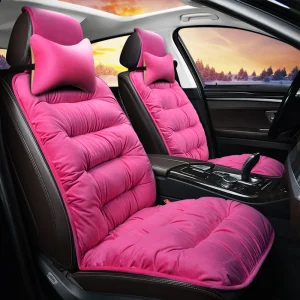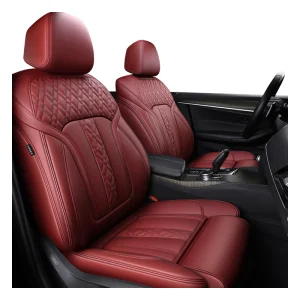
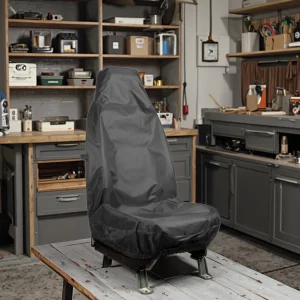
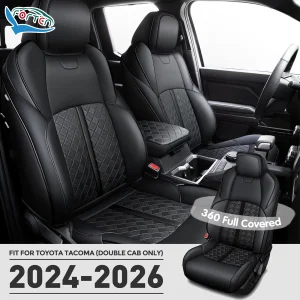
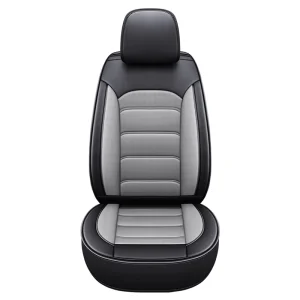
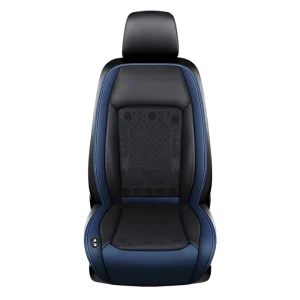
The global automotive interior and wellness lifestyle accessory market is experiencing a profound paradigm shift. The integration of advanced thermal technologies, particularly heated seat pads and cushions, has transitioned from a high-end vehicle luxury into a core consumer expectation. Modern procurement demands compliance, safety verification, and sustainable, energy-efficient engineering. When sourcing thermal equipment at scale, finding a reputable, CE Certified Heated Cushions Factory is no longer just a defensive legal check; it is a critical strategy to secure market longevity, customer trust, and robust brand protection.
CE (Conformité Européenne) certification signifies that heated cushions comply with the essential health, safety, and environmental protection standards of the European Economic Area (EEA). Given that these products draw electrical currents and are designed for continuous human contact, compliance requires rigorous testing for electromagnetic compatibility (EMC), low voltage directives (LVD), thermal runaway protection, and eco-friendly chemical compositions (RoHS and REACH). This industry analysis outlines how professional manufacturers optimize heated seat systems to deliver comfort, durability, and verified international safety.
"In the modern retail landscape, thermal compliance and materials traceability are the leading metrics separating premium brand ecosystems from low-quality distributors. Sourcing from accredited production nodes ensures that products will not only enter target markets without customs barriers but will perform safely under multi-season stress."
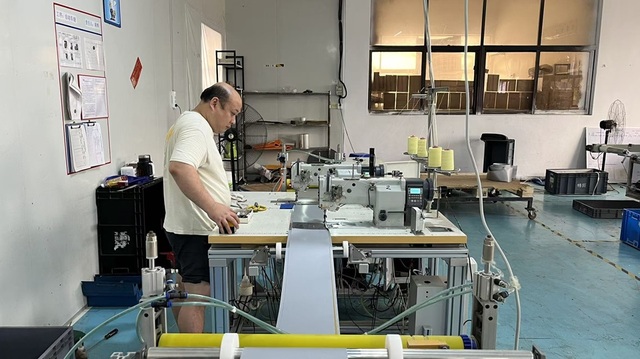
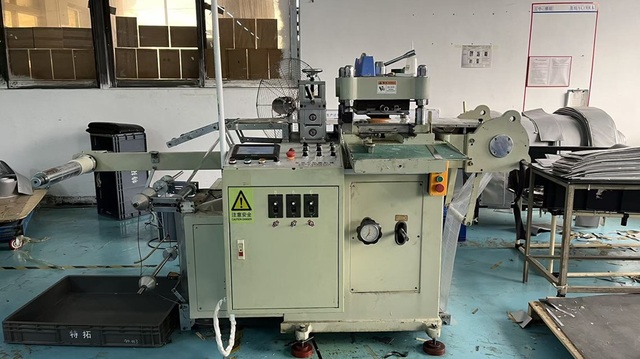
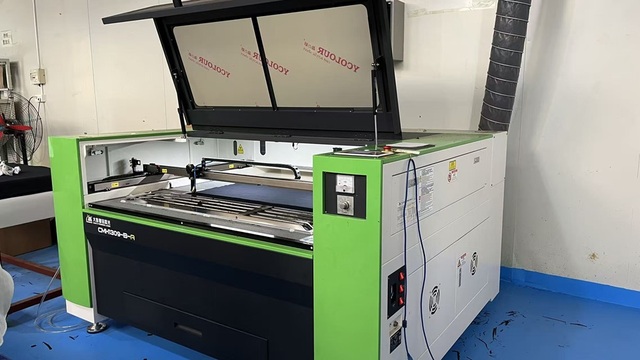
China has long held a dominant position in the global supply chain for automotive interior accessories. However, the modern Chinese heated cushion manufacturing cluster in regions like Zhejiang and Jiangsu has evolved from basic assembly plants into centers of deep technological innovation. By blending unparalleled vertical supply integration with advanced mechanical automation, Chinese factories deliver distinct structural advantages to international buyers:
Chinese thermal clusters group textile mills, synthetic leather tanneries, wire extrusion plants, and microprocessor developers within close geographic proximity. This minimizes freight costs and shortens prototype cycles to a fraction of Western timelines.
Reputable manufacturers, such as Hangzhou Xotiq Auto Co., Ltd., run modern operations certified to ISO 9001 and IATF 16949 standards. This ensures every manufacturing run meets stringent automotive OEM tolerances and safety expectations.
Chinese R&D has shifted rapidly from traditional resistance wires to high-performance carbon fiber filaments and flexible graphene heating elements. These technologies generate far more uniform heat, display high tensile durability, and require less power.
The modern heated cushion is a complex system requiring precise balancing of thermodynamics, electrical engineering, and ergonomic textile design. Professional exporters construct these products to survive extreme thermal transitions, physical compression, and voltage spikes.
To understand how a premium heated cushion maintains its CE mark, one must examine its internal layout. When working with qualified exporters, products are built on a multi-layer composite system engineered to handle structural deformation while isolating electrical currents:
Historically, copper-nickel alloy wires were the standard for heated accessories. Modern CE-compliant cushions rely on multi-strand carbon fiber filaments or graphene sheets. Carbon fiber has exceptional tensile strength, preventing internal breaks when users sit, slide, or place heavy cargo on the cushion. Graphene provides extremely fast, uniform heat distribution, minimizing localized hot spots that can scorch leather seats or cause user discomfort.
Safety is maintained by integrating Negative Temperature Coefficient (NTC) thermistors. These sensors monitor real-time temperature fluctuations across the cushion surface. If the sensor registers temperatures above a predefined threshold (typically between 55°C and 65°C), the micro-controller automatically throttles power or cuts it completely. This dual-circuit thermal protection prevents thermal runaway and ensures compliance with EN 60335-2-17, the European safety standard governing blankets, pads, and flexible heating appliances.
The outer shell must balance aesthetic luxury, breathability, and flame resistance. High-grade PU leather, heavy-duty Oxford fabrics, and short plush fabrics are paired with flame-retardant sponge layers that meet FMVSS 302 (Federal Motor Vehicle Safety Standards for flammability of interior materials) and European equivalent specifications. Underneath, non-slip silicone backing keeps the cushion securely in place, reducing friction-induced wear on the vehicle’s original upholstery.
The global heated cushion market is moving beyond basic "on/off" 12V switch designs. Industry leaders are focusing on multi-functional, integrated comfort units that address changing lifestyles:
With the rise of USB-C Power Delivery (PD) and high-output power banks, modern cushions are shifting toward 5V/9V configurations. This lets users transition the cushion from their car seats to office chairs, home workspaces, or outdoor stadiums.
Combining heating, cooling fans, and dynamic massage motors in a single unit is gaining major traction. These hybrid cushions utilize active ventilation channels to provide dual-season utility, maximizing ROI for the end-consumer.
As ESG policies tighten in North America and Western Europe, leading suppliers are incorporating recycled polyester, bio-PU leathers, and biodegradable memory foam inserts without sacrificing heat retention or durability.
Heated cushions are versatile utility tools that solve specific wellness and functional needs across multiple high-value industries:
Long-haul freight drivers, delivery couriers, and taxi operators spend long periods in fixed seated positions. Cold climates increase joint stiffness and muscle fatigue, impacting driver alertness and safety. Heavy-duty 24V heated cushions act as a macro-ergonomic intervention, keeping muscle groups loose, improving circulation, and minimizing vehicle downtime by keeping drivers healthy.
Corporate office chairs and co-working spaces are increasingly using custom heated seat pads. Integrating memory foam cores with controlled heating elements supports the lumbar spine, relieves lower back strain, and increases overall workstation productivity during cold winter months.
Gentle localized heat therapy (thermotherapy) is highly effective for managing chronic pain, sciatica, and arthritis. Hospitals, outpatient clinics, and senior living homes use specialized heated pads to assist with blood circulation and joint relief during rehab.
For procurement managers, wholesalers, and automotive accessory brands, selecting the right partner requires a structured qualification framework. To mitigate supply chain risks, keep this five-step quality verification roadmap in mind:
Request the factory’s CE documentation issued by recognized testing organizations (SGS, TÜV Rheinland, or Intertek). Verify the matching LVD/EMC test report numbers.
Confirm that the supplier maintains an in-house laboratory to perform salt spray tests, flex fatigue cycles, high-low temperature tests, and pull tests.
Make sure the OEM/ODM provider can customize element placement, switch styles, fabric colors, and connection cables to match your local market preferences.
Proper packaging is key. The cushions should be packed in moisture-barrier bags inside export-strength shipping cartons to avoid wire strain or dampness during transit.
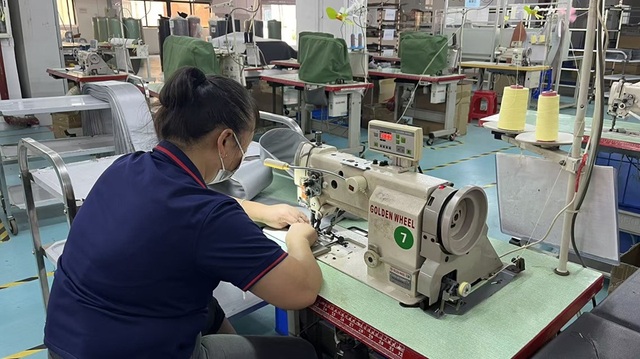
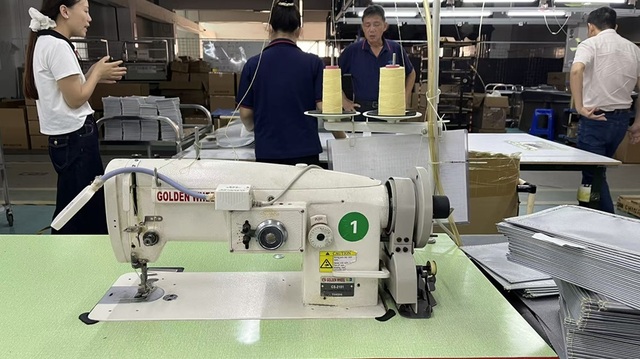
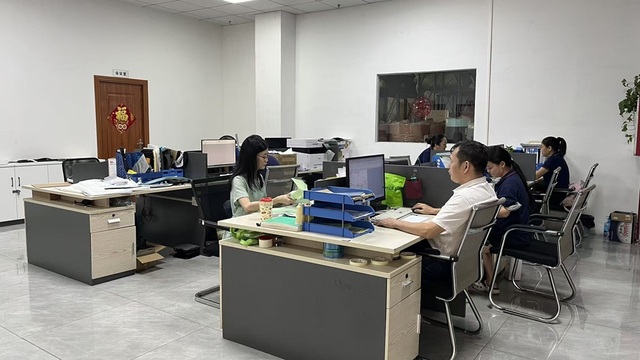
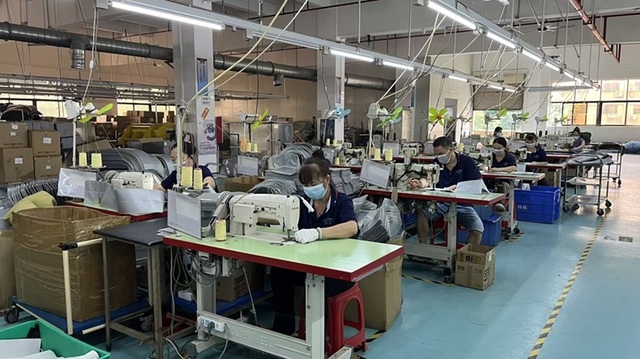
Hangzhou Xotiq Auto Co., Ltd. is a professional China car seat accessories manufacturer specializing in the design, development, production, and global supply of premium automotive seating products and interior protection solutions. With years of industry experience and a commitment to innovation, quality, and customer satisfaction, Xotiq Auto has become a trusted partner for automotive brands, distributors, wholesalers, and aftermarket suppliers worldwide.
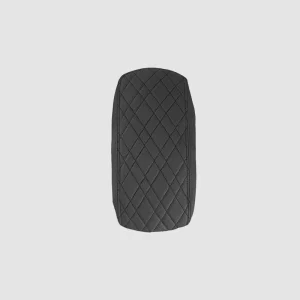
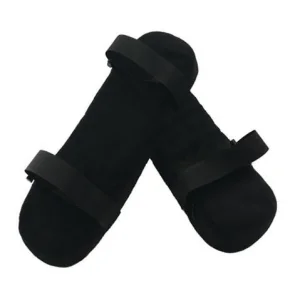
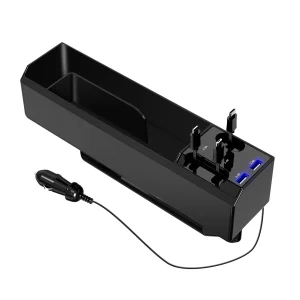
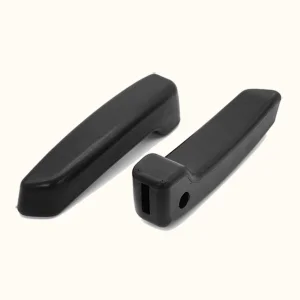
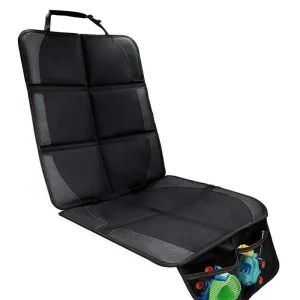
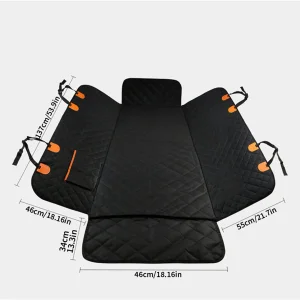
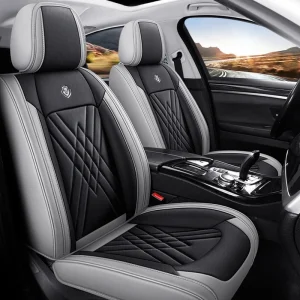
Our comprehensive product portfolio includes car seat covers, custom-fit seat covers, seat cushions, memory foam cushions, lumbar support cushions, neck pillows, waterproof seat protectors, pet seat covers, child seat protectors, armrest cushions, seat gap fillers, and other automotive interior accessories. These products are widely used in passenger vehicles, commercial vehicles, SUVs, trucks, electric vehicles, and fleet applications.
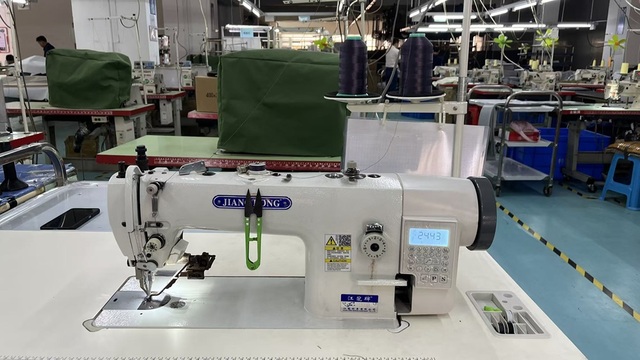
At Xotiq Auto, we are committed to delivering products that combine comfort, durability, functionality, and style. Supported by an experienced R&D team and advanced manufacturing facilities, we continuously develop innovative automotive seating solutions using high-quality materials and modern production technologies. Our products are designed to enhance driving comfort, protect vehicle interiors, and improve the overall driving experience.
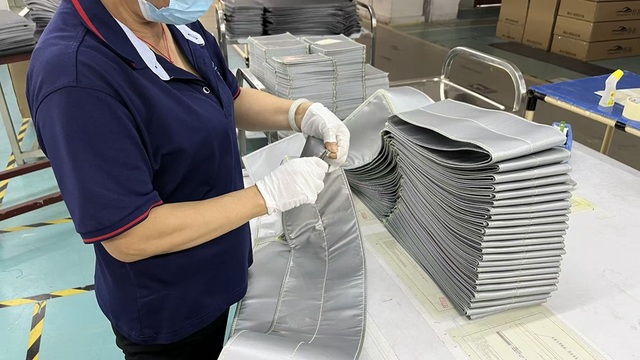
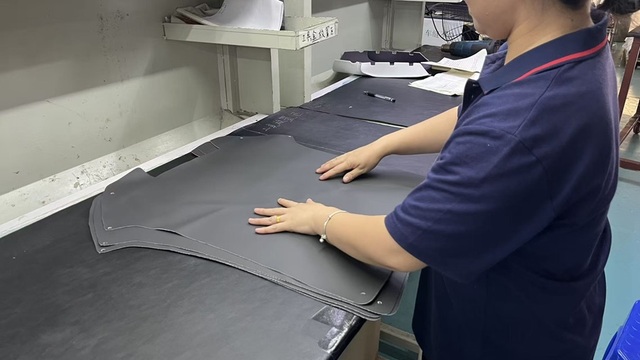
Quality is the cornerstone of our business. Every product undergoes strict quality control procedures, from raw material selection to final inspection, ensuring outstanding durability, precise fitment, and consistent performance. We also offer flexible OEM and ODM services, enabling customers to develop customized products tailored to specific market demands and branding requirements.
Serving customers across Europe, North America, Asia, the Middle East, South America, and other international markets, Hangzhou Xotiq Auto Co., Ltd. continues to build long-term partnerships based on quality, innovation, and reliable service.
We answer the most common technical questions asked by commercial buyers, compliance leads, and fleet procurers regarding import requirements for heated cushions:
 Xotiq Auto