A comfortable car seat can change how a driver feels after a long commute. However, comfort should never replace proper posture, clear visibility, or safe vehicle operation. This guide explores the top 10 car seat accessories for a better driving experience, from lumbar cushions and breathable covers to seat-gap organizers and supportive headrests. Each item should fit the vehicle correctly and avoid blocking seat controls, airbags, belts, or pedals.
So, how do car seat accessories enhance driving experience? They can reduce pressure points, improve support, control heat, and keep essential items within reach. A firm lumbar cushion may ease lower-back strain during highway travel. A ventilated seat cover can reduce discomfort on hot afternoons. Small organizers can prevent phones, cables, and travel cards from sliding under the seat. Those details matter.
Fit matters most.
Drivers should check the vehicle handbook before installing any accessory. Products with unclear materials, poor stitching, or loose straps deserve caution. A thick cushion might feel comfortable but could alter seating position or belt placement. That risk is easy to overlook. I have also found that a product praised by one driver may feel awkward for another. Body shape, driving distance, climate, and seat design all affect the result. This article compares practical choices using comfort, durability, compatibility, and safety as key standards. The goal is not to fill the cabin with gadgets. It is to create a cleaner, calmer, and more supportive driving environment.
NHTSA says seat belts reduce the risk of fatal injury to front-seat occupants in passenger cars by about 45%. That figure makes a useful safety baseline when choosing car seat accessories. A cushion, cover, or organizer may improve comfort, but it should never change how the belt fits or how the seat functions.
Check the belt after installing any accessory. The lap portion should sit snugly across the hips, not the stomach, while the shoulder portion crosses the chest. Nothing should trap the belt, block its buckle, or prevent it from retracting. Small details matter. A thick cushion can raise a person’s seating position, and a loose cover may bunch beneath them. Those changes can be easy to miss during a quick parking-lot check.
For child restraints, follow the seat and vehicle instructions, and use only accessories approved for that specific restraint. Compatibility is not always obvious. I have caught myself focusing on softer fabric before checking belt access; that was the wrong order. Comfort counts, but a clear, correctly positioned restraint comes first. After adding anything, sit in the seat and check the belt again before driving.
A car seat accessory should fit the seat, not merely look tidy. Before buying a cushion, cover, or organizer, compare its shape with your seat’s bolsters, headrest, and adjustment controls. A thick cushion can change your seated height and move your knees closer to the dashboard. Check that you can still reach the pedals comfortably and see the road over the steering wheel. Small changes matter.
Inspect the seat sides for airbag labels or seams. Avoid accessories that cover, compress, or obstruct those areas unless the vehicle and accessory instructions specifically allow the combination. If the accessory is for a child seat, check the vehicle and child-seat manuals for anchor access and approved installation methods. Extra padding beneath a child restraint can affect how firmly it sits. Tug the installed restraint at the belt path; it should not shift more than the manufacturer permits. Don’t guess.
Try the accessory with the seat in your usual driving position. Move the seat forward and back, recline it, and check that belts, buckles, and levers remain easy to use. A loose strap near a rail may snag; I have overlooked that kind of detail before. Also check your mirror view after adding anything behind or beside you. Compatibility is about the whole driving setup, not just whether an item fits the upholstery.
Fit and Compatibility: Check Seat Geometry, Anchors, Air Bags, and Visibility
Before using an accessory, verify all four compatibility checks against your vehicle and car seat manuals. The bars represent checklist items—not measured safety scores. Accessories should not interfere with the seat’s fit, installation, air bags, or the driver’s view.
Top 10 Car Seat Accessories for a Better Driving Experience?
Long drives expose small comfort problems quickly. My lower back often feels tight after two hours, especially with a soft, flat seat. The World Health Organization reported in 2022 that 1.71 billion people live with musculoskeletal conditions. A supportive cabin setup deserves attention.
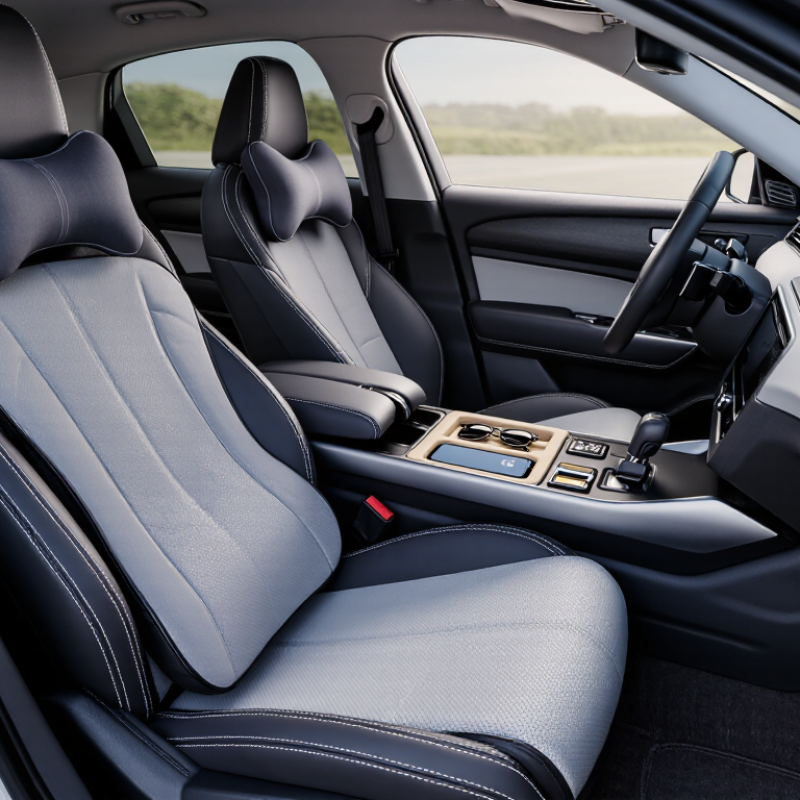
Useful comfort accessories include memory-foam cushions, wedge cushions, lumbar supports, breathable seat covers, cooling pads, heated pads, neck pillows, shoulder cushions, armrest covers, and anti-slip seat mats. A cushion should support your pelvis without raising your knees too high. Lumbar support should fill the lower-back gap, not force your spine forward. I once chose a thick cushion that felt luxurious at first. It later caused hip pressure. Comfort is personal, and testing matters.
Seat covers need extra care. Never cover or compress a side-airbag area unless the vehicle manual permits it. NHTSA’s 2022 Traffic Safety Facts reported that seat belts saved an estimated 14,955 lives in 2017. Comfort accessories must never weaken restraint use or driver control. Loose mats can also interfere with pedals. Small details matter.
Tips: Sit in the car for 20 minutes before buying. Check whether your shoulders stay relaxed. Adjust the seat first, then add support. Choose washable, breathable materials. Inspect seams and straps regularly. Remove any accessory that shifts during braking. Personal preference can mislead you, so reassess after several commutes.
| # | Accessory | Common Materials or Design | Potential Comfort Benefit | Fit and Use Notes | Typical Price Range (USD) |
|---|---|---|---|---|---|
| 1 | Memory Foam Seat Cushion | Viscoelastic foam, often with a removable fabric cover | Adds cushioning and may help distribute pressure during longer drives. | Choose a low-profile design that does not interfere with the seat belt, pedals, or driving position. | $20–$60 |
| 2 | Contoured Lumbar Support | Shaped foam or adjustable air chamber with an elastic strap | Provides additional support around the lower back for drivers who prefer a firmer seat feel. | Position it against the lower back and adjust the seat so the support does not push the driver too far forward. | $15–$50 |
| 3 | Breathable Seat Cover | Woven polyester, mesh panels, or cotton-blend fabric | Creates a fabric layer over the original upholstery and can feel less sticky in warm conditions. | Check seat dimensions and confirm compatibility with seat-mounted side airbags before installation. | $25–$100 |
| 4 | Cooling Seat Cushion | Mesh surface or ventilated cushion; some models use a powered fan | Improves airflow at the contact area; powered versions circulate cabin air through the cushion. | Powered versions need a suitable vehicle power outlet and a secure cable route away from controls. | $20–$80 |
| 5 | Wedge Seat Cushion | Firm foam with a sloped or tapered profile | Changes the sitting angle and may help some drivers find a more comfortable thigh position. | Test the height and angle before regular use; ensure your feet can still reach the pedals comfortably. | $20–$55 |
| 6 | Gel-Infused Seat Cushion | Foam combined with a gel layer or gel insert | Adds a cushioned feel and may spread pressure across a wider seating area. | Check cushion thickness and stability so it stays in place during normal entry and exit. | $25–$70 |
| 7 | Heated Seat Pad | Fabric-covered pad with integrated electric heating elements | Provides supplemental warmth in cold weather without replacing the vehicle’s built-in seat system. | Follow the product instructions, use the specified power connection, and avoid covering or folding the pad while operating. | $20–$60 |
| 8 | Full-Seat Protective Cover | Polyester, canvas-style fabric, or synthetic leather-look material | Helps protect upholstery from everyday dirt, spills, and wear while changing the seat’s surface feel. | Use a vehicle-specific or well-fitted design; verify side-airbag compatibility and secure attachment points. | $40–$180 |
| 9 | Seat Cover with Padded Panels | Quilted fabric or stitched synthetic material with light foam padding | Adds a softer surface and modest padding to the seat back and seating area. | Confirm that the cover does not obstruct seat controls, adjustment levers, belts, or airbag seams. | $35–$120 |
| 10 | Adjustable Lumbar Cushion | Inflatable bladder or removable foam inserts inside a fabric cover | Allows the support level to be adjusted to suit personal preference and different seating positions. | Make small adjustments while parked and ensure the cushion remains firmly secured to the seat. | $20–$65 |
A better cabin starts with controlled clutter, not more gadgets. A seat-back organizer can hold wipes, cables, and a child’s water bottle in separate pockets. Keep heavy items low and secured; loose objects can become projectiles during sudden braking. The National Highway Traffic Safety Administration recorded 3,308 fatalities in distraction-affected crashes in 2022. That figure makes placement a safety decision, not just a comfort choice. A phone mount should sit near eye level without covering the road, instruments, or airbag zones. Voice controls help, but they are not magic. The AAA Foundation’s Measuring Cognitive Distraction research found that hands-free tasks can still demand substantial mental attention. Park before typing.
A dual-port charger keeps navigation and emergency communication powered, but cheap, overheated adapters deserve rejection. Check the cable length, heat rating, and fit before a long trip. A compact mirror for rear-seat visibility can reduce repeated shoulder turns, especially when checking a child. Yet a small convex mirror may distort distance; adjust it while parked and recheck it at night. I have found that organizers often become junk drawers within a week. A weekly reset works better than buying another pocket. Keep it simple. The ideal accessory is reachable, stable, and removable when it blocks visibility. Test every mount on rough roads, because a setup that works in a driveway may vibrate loose in traffic.
NHTSA recorded 3,275 deaths in distraction-affected crashes in 2023, a sobering reminder that convenience can carry real risk. The agency’s traffic-safety data show why accessories should reduce reaching and clutter, not add new reasons to look away. A firmly secured seat organizer can keep tissues and charging cables from sliding underfoot. A hands-free phone mount may reduce handling, but it cannot make reading messages safe. Keep the screen out of the driver’s natural sightline, and set navigation before moving. Small choices matter.
Consider accessories as part of the cabin’s safety setup, not just comfort upgrades. A lumbar cushion should not interfere with the seat belt’s fit; loose covers or bulky add-ons should not affect airbags or seat controls. Check the vehicle and accessory instructions before installation. It is easy to assume a tidy dashboard means a safer drive. Not always. Even a well-placed mount can tempt a glance, and that brief glance is still time away from the road. NHTSA’s 2023 figures describe deaths, not every near miss or moment of inattention, so the true everyday burden is harder to see. Choose items that stay put, keep essentials reachable without searching, and leave the driver’s attention on traffic.
Try it in your usual driving position. Make sure your knees, pedals, and road view still feel clear. I once missed this detail.
Yes. It may raise your hips or bring your knees closer to the dashboard. Test it for 20 minutes before deciding.
Place it in the gap at your lower back. It should support you without pushing your spine forward. Less can be better.
Check the vehicle instructions and the cover’s guidance. Keep airbag labels and seams clear unless the instructions specifically allow coverage.
Follow both manuals for anchor access and installation. After fitting the restraint, tug it at the belt path and check for movement.
Put wipes and cables in separate pockets. Keep heavy items low and secured. Mine once became a junk drawer.
Position it near eye level, but outside your view of the road, instruments, and airbag areas. Test it while parked.
Check cable reach and heat during charging. Adjust a rear-seat mirror while parked; small convex mirrors can make objects look farther away.
This guide explores how do car seat accessories enhance driving experience by improving comfort, organization, and everyday usability while keeping safety at the center. It begins with a basic reminder: seat belts reduce the risk of fatal injury by 45%, according to NHTSA. Before adding accessories, drivers should check seat shape and dimensions, attachment points, air-bag locations, and sightlines to ensure that items fit properly and do not interfere with essential safety features.
The top ten suggestions cover comfort options such as cushions, lumbar supports, and seat covers, along with convenient additions including organizers, phone mounts, chargers, and mirrors. Each accessory should be positioned securely and used without blocking visibility or distracting the driver. This matters because NHTSA recorded 3,275 U.S. deaths involving distracted driving in 2023. Thoughtful choices can make a vehicle more comfortable and practical, but safe driving habits and an unobstructed view remain essential.

Xotiq Auto