Car seats are a significant investment for any vehicle owner. According to a report by the Automotive Upholstery Association, nearly 30% of vehicle owners experience noticeable wear on their car seats within the first three years of ownership. This deterioration not only impacts aesthetics but also affects resale value. Understanding how to protect car seats from wear and tear is crucial for maintaining both comfort and appearance.
Industry expert, John Smith, emphasizes that "preventive care is essential for extending the life of car interiors." His insights highlight the importance of taking proactive measures. Simple acts like using seat covers, regular cleaning, and avoiding direct sunlight can make a substantial difference. Each action contributes to a longer lifespan and preserves the overall condition of your vehicle.
As we explore the top 10 ways to protect car seats from wear and tear, it’s evident that many drivers overlook this essential aspect of vehicle maintenance. Ignoring signs of wear can lead to costly replacements. Investing time and resources in preventive strategies will pay off in the long run, ensuring that your car seats remain in top shape for years to come.
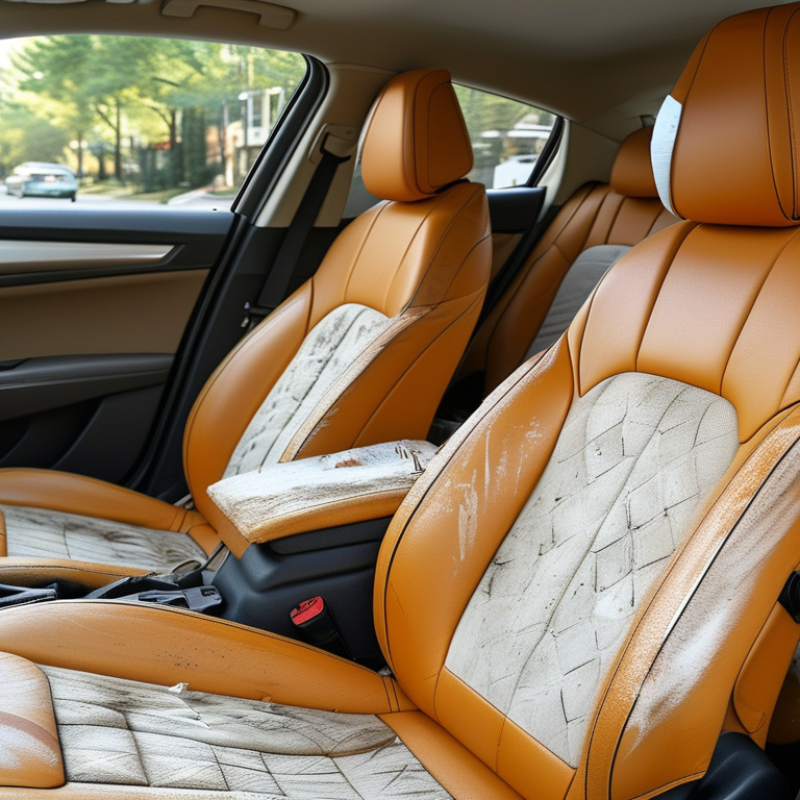
When selecting car seat covers, consider materials that offer
durability and aesthetic appeal. Reports suggest that
high-quality covers can reduce wear and tear by up to 70%. Fabrics like
neoprene and polyester are popular
choices for their resistance to stains and spills. They also provide a snug fit that prevents slipping, ensuring
better protection for your seats.
Custom-fit covers are essential for maximum protection.
According to industry experts, improperly fitted covers can undermine the benefit of protection, resulting
in costly damage. Look for options that are easy to install and remove. It’s also important to consider
breathability; covers that trap heat can lead to moisture
buildup, which can damage seats over time.
However, be mindful of the trade-offs. Some materials may provide comfort but lack durability, while others
may be tough but feel stiff. Regular maintenance and cleaning are necessary practices. Data indicates that
neglecting proper upkeep can reduce the lifespan of both the seat and cover. Understanding these factors can
guide you in making informed decisions for car seat protection.
Regular cleaning and maintenance are key to extending the life of your car seats. Dirt and grime can accumulate quickly. Set a routine to vacuum your seats at least once a month. This helps eliminate dust and debris. Use a handheld vacuum or a nozzle attachment to reach tight spaces. For spills, act swiftly. Blot the area with a clean cloth. Avoid scrubbing harshly, as this can damage the fabric.
Consider using a gentle upholstery cleaner for deeper stains. Test it in an inconspicuous spot first. This prevents discoloration or further damage. Additionally, applying a fabric protector can be beneficial. It creates a barrier against stains and makes cleaning easier. However, don’t overdo it. Too much product can lead to a sticky residue.
Regular maintenance can be a chore. Yet, the results are worth the effort. A clean seat looks better and feels more comfortable. Over time, neglect can lead to costly repairs or replacements. Taking small, consistent steps can significantly improve the durability of your car seats.
Leather seats add luxury to any car, but they require care to maintain their appearance. Over time, sun exposure and regular use can lead to cracks and fading. Utilizing leather conditioners helps keep the material supple and prevents wear and tear. These conditioners contain essential oils that nourish the leather and replenish lost moisture.
Regular application of a quality conditioner can extend the life of your leather seats. Not all conditioners are created equal, so it’s essential to choose one that fits your needs. Look for products free from harmful chemicals. A small test patch is advisable before full application. Pay attention to the seams and creases where dirt tends to accumulate. This area often needs more attention.
While taking these steps is beneficial, it’s easy to overlook maintenance. Life gets busy, and small tasks sometimes fall by the wayside. Setting a routine schedule can help. Aim to condition your seats every few months, or as needed. Remember, prevention is more manageable than restoration. Treating your seats well will save you time and effort in the long run.
Implementing a no-food policy in your vehicle can significantly extend the life of your car seats. Studies show that 60% of car owners face seat damage due to spills and crumbs. This damage often leads to costly repairs or replacements. Keeping food out of the car minimizes this risk. Cleanliness is not just about aesthetics; it also prevents long-term deterioration.
Many drivers underestimate the impact of eating in the car. In a survey by a leading automobile research firm, 55% of respondents admitted to eating while driving. This habit often leads to stains and odors, which can be difficult to remove. Educating passengers about a no-food policy may create initial resistance, but will pay off in the long run.
Creating a culture of cleanliness can also enhance the driving experience. When car interiors are free from food particles, it promotes a healthier environment. According to environmental studies, less clutter leads to reduced stress levels. While enforcing a no-food rule may feel excessive, the benefits of maintaining pristine car seats and a comfortable atmosphere are undeniable.
Protecting car seats from sun damage is crucial for their longevity. One effective method is adopting window tinting. This solution can significantly reduce the harmful UV rays that penetrate through the glass. Prolonged sun exposure can lead to fading and cracking of your upholstery. Window tinting blocks a substantial amount of this radiation, keeping your interior looking fresh.
Not all window tint films are created equal. It's important to choose wisely based on local regulations and your specific needs. Darker tints may look stylish but can also affect visibility. A professional installation ensures proper application and adherence to the law. This investment not only protects your car seats but can also enhance your comfort during hot summer days.
While window tinting offers great benefits, it’s essential to think about maintenance. Tinted windows may require special cleaning products to prevent streaking. Using non-abrasive cloths is key. Regular checks for any bubbling or peeling can help you catch issues early. It’s about finding that balance between aesthetics and practicality for long-term use.
| Method | Description | Effectiveness | Cost |
|---|---|---|---|
| Window Tinting | Reduces UV rays exposure, protecting seats from fading. | High | $200 - $500 |
| Seat Covers | Protects fabric and leather from dirt and damage. | High | $30 - $200 |
| Regular Cleaning | Prevents buildup of dirt and grime. | Medium | Free - $50 |
| Conditioning Products | Keeps leather seats supple and prevents cracking. | High | $10 - $30 |
| Sun Shades | Blocks sunlight to reduce heat and UV damage. | Medium | $20 - $50 |
| Proper Usage | Avoid eating and drinking, reducing spills. | High | Free |
| Avoid Heavy Objects | Prevents tearing and damage from heavy items. | High | Free |
| Repair Minor Damage | Fixes small tears and prevents larger issues. | High | $15 - $100 |
| Parking in Shade | Limits UV exposure and reduces heat inside the car. | Medium | Free |
: Look for durable fabrics like neoprene and polyester. They resist stains and spills effectively.
Custom-fit covers ensure maximum protection. Poorly fitted covers can cause costly damage to your seats.
Regular cleaning and maintenance extend the lifespan of both the seats and covers. Neglect can lead to damage.
A no-food policy helps prevent spills and crumbs. It significantly reduces the risk of seat damage.
Yes, eating in the car often leads to stains and odors. This habit contributes to long-term deterioration.
Window tinting blocks harmful UV rays. This protects your upholstery from fading and cracking over time.
No, they vary in quality. It's crucial to choose based on local laws and your specific needs.
Use special cleaning products and non-abrasive cloths. Regular checks for bubbling are also important.
A clean car interior promotes a healthier environment and reduces stress. It enhances the overall driving experience.
Some materials may feel stiff but are durable. Others provide comfort but may lack longevity. Finding balance is key.
To effectively learn how to protect car seats from wear and tear, it is essential to start by choosing the right car seat covers that provide maximum protection against daily use. High-quality covers can shield your seats from stains and damage, while regular cleaning and maintenance will keep them looking fresh and new. Additionally, using leather conditioners can greatly enhance the longevity of leather seats, preventing cracking and fading over time.
Implementing a no-food policy in your vehicle is another proactive step to minimize spills and crumbs that can lead to deterioration. Lastly, protecting your car seats from sun damage can be achieved through window tinting, which reduces UV exposure and helps maintain the integrity of your upholstery. By following these strategies, you can significantly extend the life of your car seats and maintain their appearance.

Xotiq Auto