How to Extend the Lifespan of Car Seat Covers?

Time:2026-10-07 Author:Ethan
0%

Car seat covers endure daily friction, sunlight, spills, temperature changes, and repeated cleaning. Even a strong fabric can fade, stretch, or develop weak seams when small problems receive little attention. Learning how to extend the lifespan of car seat covers helps protect your vehicle’s interior and reduces unnecessary replacement costs.

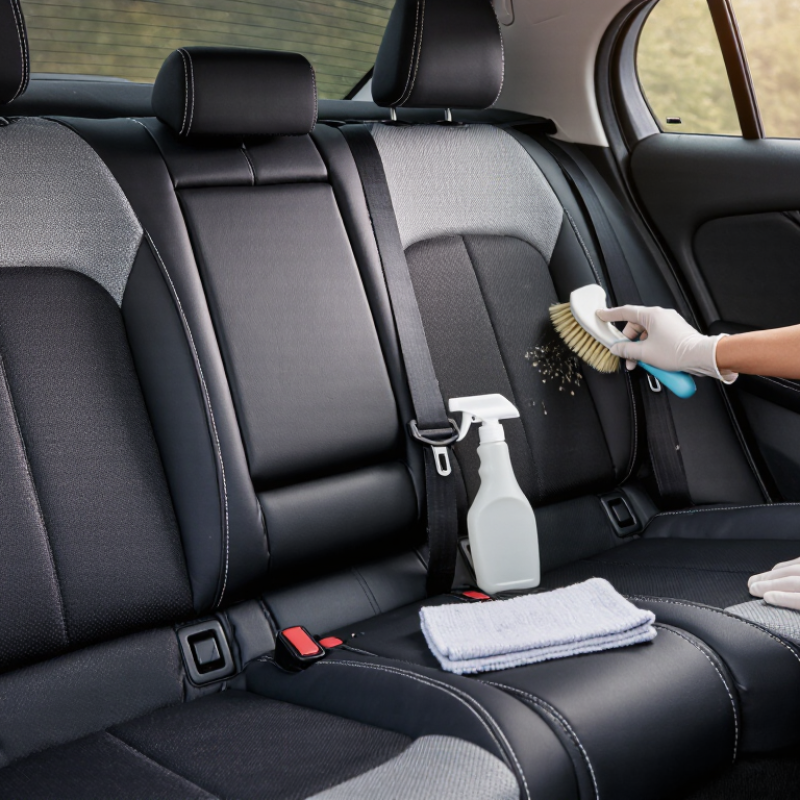
This guide focuses on practical care supported by common upholstery and automotive maintenance principles. It explains how to vacuum safely, remove stains without damaging fibers, control moisture, and reduce harmful sun exposure. A soft brush can lift crumbs from stitching. A clean microfiber cloth can prevent grit from rubbing into the material. Always check the manufacturer’s care label before applying a cleaner, because one product may suit leather but damage coated fabric.

Real use also teaches an uncomfortable lesson: careful maintenance cannot prevent every failure. I once ignored a loose edge until constant movement enlarged the tear. That mistake was avoidable. However, some covers eventually wear out, especially in vehicles used daily or exposed to extreme heat. Inspecting them regularly makes problems easier to manage. Look beneath the seat, around the belt openings, and along the side seams. These areas often show damage first. With consistent cleaning, gentle handling, and realistic expectations, car seat covers can remain comfortable, attractive, and functional for much longer.
How to Extend the Lifespan of Car Seat Covers?

Understanding the Factors That Wear Down Car Seat Covers

How to Extend the Lifespan of Car Seat Covers?

Understanding the Factors That Wear Down Car Seat Covers

Car seat covers rarely fail from one dramatic event. Daily friction, sunlight, heat, sweat, and spilled drinks usually work together. The Bureau of Transportation Statistics reported that the average U.S. light-duty vehicle was over 12 years old in 2023. That means interior materials face years of repeated stress.

Heat accelerates the damage. The National Highway Traffic Safety Administration notes that vehicle interiors can rise about 20°F within ten minutes and 40°F within an hour. High temperatures stiffen synthetic fibers and weaken adhesives. Ultraviolet exposure also fades pigments and makes fabric brittle. ASTM G154 and ISO 105-B06 use controlled UV testing because sunlight damage is measurable, not merely cosmetic.

Friction is often underestimated. Denim rivets, pet claws, and sliding cargo can create tiny snags that spread across the fabric. Body oils may darken high-contact areas, especially the driver’s outer bolster. A soft vacuum brush removes grit before it becomes sandpaper.

Clean small spills quickly with mild soap and a damp cloth. Harsh solvents may remove stains, but they can also strip protective finishes.

One mistake is cleaning too aggressively. I would rather accept a faint mark than weaken the material repeatedly. Covers must also fit correctly and remain compatible with seat-mounted airbags. Loose fabric can bunch, stretch, or interfere with designed deployment zones. Drying matters too; trapped moisture encourages odors and may support mildew in foam beneath the cover.

Choosing Durable Materials and Properly Fitting Seat Covers

How to Extend the Lifespan of Car Seat Covers?

Choosing Durable Materials and Properly Fitting Seat Covers

A durable seat cover begins with the right material. Woven polyester resists abrasion, sunlight, and daily friction better than thin vinyl. Neoprene handles spills well, but it can trap heat and moisture. For frequent drivers, a breathable polyester blend may feel more comfortable. S&P Global Mobility reported that the average U.S. vehicle age reached 12.6 years in 2024. That makes long-term interior protection practical, not decorative.

Fit matters just as much. Loose fabric wrinkles under the driver’s hips and wears quickly at the edges. Measure each seat, including headrests and side bolsters. Choose covers with firm seams, adjustable straps, and openings designed for seat-mounted airbags. The National Highway Traffic Safety Administration warns that accessories must not interfere with airbag deployment. Never cover an airbag seam. A perfect-looking fit is not always a safe fit.

Tips: Wash covers according to their care label. Remove dust weekly with a soft vacuum brush. Blot spills quickly, rather than rubbing them deeper. Check straps every month. Replace stretched elastic. Avoid harsh bleach; it can weaken fibers and stitching. I once ignored a small torn seam, and the damage spread across the cushion. That mistake was avoidable. Inspect the cover after long trips, especially near metal fasteners and sliding rails.

Cleaning Car Seat Covers Without Damaging Their Fabric

How to Extend the Lifespan of Car Seat Covers?

Cleaning Car Seat Covers Without Damaging Their Fabric

Car seat covers collect dust, skin oils, crumbs, and spilled drinks. Regular cleaning protects the fabric and helps prevent odors from becoming permanent. Check the care label before removing anything. It may warn against machine washing, hot water, or tumble drying.

Start by vacuuming both sides with a soft attachment. Use gentle passes around seams, where grit can weaken threads. For a small stain, mix lukewarm water with a few drops of mild detergent. Test the solution on a hidden area first. Wait until it dries. Color changes can appear later.

Blot stains instead of scrubbing them. Scrubbing may push dirt deeper or create a pale, fuzzy patch. Clean with a soft cloth, working from the outside toward the center. Rinse the cloth often, but avoid soaking the cover. Too much water can leave rings, weaken foam, or encourage mildew.

I once cleaned a cover too aggressively and damaged its surface. It looked clean, but the texture never fully recovered. That mistake changed my routine. Patience matters more than strong chemicals. Avoid bleach, abrasive powders, stiff brushes, and high heat unless the manufacturer specifically permits them. Air-dry the cover completely in a shaded, well-ventilated place. Do not reinstall it while damp. Check the seams and attachment points before use, because a clean cover still needs secure fitting.

How to Extend the Lifespan of Car Seat Covers? - Cleaning Car Seat Covers Without Damaging Their Fabric
Cleaning Task Suitable Fabric or Area Recommended Method Water and Product Guidance Drying Instructions Potential Damage Risk
Routine dust removal Cloth, polyester, nylon, and fabric-covered seat surfaces Vacuum with a soft brush attachment. Work from the top of the seat downward to prevent redistributing loose debris. Use no water or detergent for this step. No drying time is required. Low
Spot cleaning food and drink spills Most removable or fixed fabric covers, after checking the care label Blot immediately with a clean, absorbent cloth. Avoid rubbing, which can spread the stain and push liquid deeper into the fibers. Use a small amount of cool or lukewarm water with mild, fabric-safe soap. Do not saturate the foam beneath the cover. Press with a dry towel, then allow the area to air-dry completely before use. Low when moisture is controlled
General fabric-cover washing Removable covers that are specifically labeled as machine washable Remove the cover carefully and close zippers or fasteners. Use a gentle cycle and avoid overloading the washer. Use cold or lukewarm water and a mild detergent. Avoid bleach, fabric softener, and harsh stain removers unless the care label permits them. Air-dry flat or hang according to the care label. Do not reinstall while damp. Medium if heat or aggressive chemicals are used
Hand washing delicate covers Delicate woven fabrics, covers with elastic sections, or items marked for hand washing Gently soak and press the cover in clean water. Do not twist, wring, or scrub forcefully. Use cool water and a small amount of mild detergent. Rinse until detergent residue is removed. Support the cover’s shape while air-drying. Keep it away from direct high heat. Low when the cover is not wrung
Cleaning synthetic leather or vinyl panels Smooth, coated seat sections and synthetic leather trim Wipe with a soft microfiber cloth. Use a second damp cloth to remove residue. Use diluted mild soap and minimal water. Avoid abrasive pads, alcohol-based solvents, ammonia, and strong household cleaners. Dry immediately with a soft towel to prevent moisture from entering seams. Medium if solvents or abrasives are used
Removing odors Fabric covers with absorbed food, smoke, or perspiration odors Vacuum first, clean visible soil, and ventilate the vehicle. Odor usually improves when the source is removed and the fabric is fully dried. Avoid masking odors with heavy fragrance sprays. Use only a fabric-safe odor treatment permitted by the care label. Leave doors or windows open in a safe, dry location until the cover is completely dry. Low with light application
Cleaning seams and crevices Seat seams, piping, stitching, and gaps between cushions Use a soft brush or narrow vacuum nozzle. Lift debris gently rather than forcing tools into the stitching. Apply cleaner to the cloth, not directly into seams. Use very little moisture. Wipe away excess moisture and allow the seams to air-dry fully. Medium if seams become saturated
Maintenance frequency All seat-cover materials Vacuum weekly in frequently used vehicles. Treat spills immediately and perform deeper cleaning when visible soil or odor returns. Use the least aggressive method that removes the soil. Always follow the manufacturer’s care instructions for the specific cover. Schedule wet cleaning when there is enough time for complete air-drying before the next trip. Low with regular light maintenance

Important care note: Before cleaning, check the vehicle or seat-cover care label and confirm that the cover can be removed. Do not use excessive water near electrical components, seat-mounted sensors, heating elements, or airbag seams. Never reinstall a cover until it is completely dry and correctly fitted.

Protecting Covers from Sunlight, Spills, Friction, and Heat

How to Extend the Lifespan of Car Seat Covers?

Protecting Covers from Sunlight, Spills, Friction, and Heat

Sunlight slowly weakens seat-cover fibers, especially near windows and windshields. Park in shade when possible, and use a breathable windshield cover. Rotate removable covers occasionally so fading does not concentrate on one area. Avoid leaving damp fabric under strong sunlight. It may dry quickly, but heat can stiffen some materials and damage protective coatings. Check the care label before washing or drying.

Spills need quick attention. Blot coffee, juice, or muddy water with a clean cloth instead of rubbing. Rubbing pushes liquid deeper and creates a wider stain. Use mild soap diluted with water, then wipe away residue. Test any cleaner on a hidden section first. I once cleaned a small mark too aggressively and left a pale patch behind. That mistake changed my routine.

Friction causes quiet damage. Seatbelts, metal tools, pet claws, and rough clothing can wear the same area every day. Keep sharp objects away from the seats, and inspect high-contact edges each month. In hot weather, avoid placing heavy items on warm covers. Heat softens some surfaces and increases pressure marks. Let the interior cool before cleaning, because hot fabric can dry unevenly. Air-dry covers fully before reinstalling them. A slightly loose fit may seem harmless, yet it can create wrinkles that rub against the seat during every trip.

Sunlight, spills, friction, and heat are the main everyday stressors affecting car seat covers. UV Index categories follow the international UV Index scale, while the heat range reflects commonly measured passenger-compartment temperatures in parked vehicles. Reduce exposure by using shade, cleaning spills promptly, minimizing abrasion, and ventilating the cabin before driving.

Inspecting, Repairing, and Replacing Worn Seat Covers Properly

How to Extend the Lifespan of Car Seat Covers?

Regular inspection prevents small damage from becoming an expensive replacement. Check the cover weekly for loose seams, thinning fabric, deep stains, and cracked vinyl. Pay close attention to belt paths, seat edges, and mounting points. These areas receive constant friction. Press the foam gently. Uneven support may indicate hidden damage beneath the cover. I once ignored a small split near a seat edge, and it widened within weeks. That mistake was avoidable.

Tips: Clean spills quickly with mild soap and a damp cloth. Avoid soaking the foam. Use a soft brush on fabric covers, then let them dry completely. Keep sharp objects away from the seats. Do not use harsh solvents, strong heat, or stiff patches that could affect movement. Small seam gaps can sometimes be repaired with suitable upholstery thread. The repair should remain flat and secure.

Replace the cover when it has large tears, brittle material, exposed foam, or damage near a seat-mounted airbag seam. Never sew across an airbag deployment area. A poorly placed stitch can interfere with proper inflation. Follow the vehicle’s repair guidance, especially around belts, anchors, and sensors. If the cover integrates with safety equipment, consult a qualified automotive upholstery technician. A replacement may look costly, but an uncertain repair can create a bigger problem. Check the fit afterward. The cover should stay tight without restricting seat adjustment or belt movement.

FAQS

Which materials usually make durable car seat covers?

Woven polyester resists sunlight, abrasion, and daily friction. Neoprene handles spills, but it can trap heat and moisture. Breathable polyester blends may feel better during long drives.

Why is proper fitting important for seat covers?

Loose covers wrinkle beneath the hips and wear quickly along the edges. Measure the seat, headrest, and side bolsters carefully. Choose firm seams and adjustable straps.

Can a seat cover interfere with safety equipment?

Yes. Covers must not block seat-mounted airbag seams, belt paths, anchors, or sensors. Never sew across an airbag deployment area. A perfect fit is not always a safe fit.

How often should car seat covers be cleaned?

Vacuum them weekly with a soft brush attachment. Clean spills quickly before odors become permanent. Follow the care label before using water, washing machines, or dryers.

What is the safest way to remove a small stain?

Mix lukewarm water with a few drops of mild detergent. Test it on a hidden spot first. Blot from the outside inward. Do not scrub hard.

How can covers dry without damage?

Avoid soaking the fabric or foam. Air-dry the cover completely in a shaded, ventilated place. Do not reinstall it while damp. Moisture can encourage mildew.

When should a worn seat cover be repaired or replaced?

Small, flat seam gaps may accept suitable upholstery thread. Replace covers with large tears, brittle material, exposed foam, or airbag-area damage. A cheap repair can become a bigger problem.

What should drivers inspect after long trips?

Check seams, straps, elastic, fasteners, and sliding-rail areas. Look for thinning fabric or stretched attachment points. I once ignored a tiny tear, and it spread across the cushion. That mistake was avoidable.

Conclusion

Extending the life of your car seat covers begins with understanding what causes damage, including constant friction, sunlight, heat, spills, and improper installation. To learn how to extend the lifespan of car seat covers, choose durable, breathable materials that fit securely without excessive tension or loose folds. A proper fit helps prevent shifting, stretching, and premature wear during everyday use.

Regular cleaning is also essential, but harsh chemicals, excessive moisture, and rough scrubbing can weaken fabric and fade its appearance. Remove spills quickly, follow the cover’s care instructions, and allow the material to dry completely. Parking in shaded areas or using sun protection can reduce fading and heat damage, while seat cushions or protective liners may limit friction. Inspect covers regularly for stains, loose seams, thinning fabric, or damaged fasteners. Small issues should be repaired promptly, but severely worn covers should be replaced to maintain comfort, cleanliness, and dependable protection.

Ethan

Ethan

Ethan is a seasoned marketing professional with a deep expertise in our company's innovative product line. With a passion for sharing knowledge and insights, he takes the lead in regularly updating our corporate blog, where he explores industry trends, product features, and effective marketing......