How to Choose the Right Car Seat Accessories in 2026?

Time:2026-11-06 Author:Oliver
0%

A car seat accessory can make everyday trips more comfortable, but the wrong add-on may interfere with fit or safe use. Knowing how to choose the right car seat accessories starts with the seat itself: check its manufacturer’s instructions and your vehicle manual before buying anything. These documents explain which products are approved, how the seat should be installed, and whether an accessory could affect its harness or installation. Small details matter. A thick liner, loose strap cover, or bulky insert can change how a child sits in the seat.

This guide explores practical choices for 2026, from weather-appropriate covers to organizers that keep travel essentials within reach. It also explains how to check product compatibility, materials, cleaning needs, and age or size recommendations without relying on vague marketing claims. Look for clear manufacturer guidance and products designed for your specific seat, rather than assuming that a universal label means a proper fit. A tidy car is useful. A secure fit matters more.

Not every accessory is necessary. It is easy to buy something because it looks convenient, then discover it shifts, traps crumbs, or complicates buckling. That deserves a second look. The sections ahead offer a cautious way to compare options, spot avoidable trade-offs, and keep the car seat’s intended function at the center of each decision. When guidance is unclear, contact the seat manufacturer or a qualified child passenger safety technician instead of guessing.
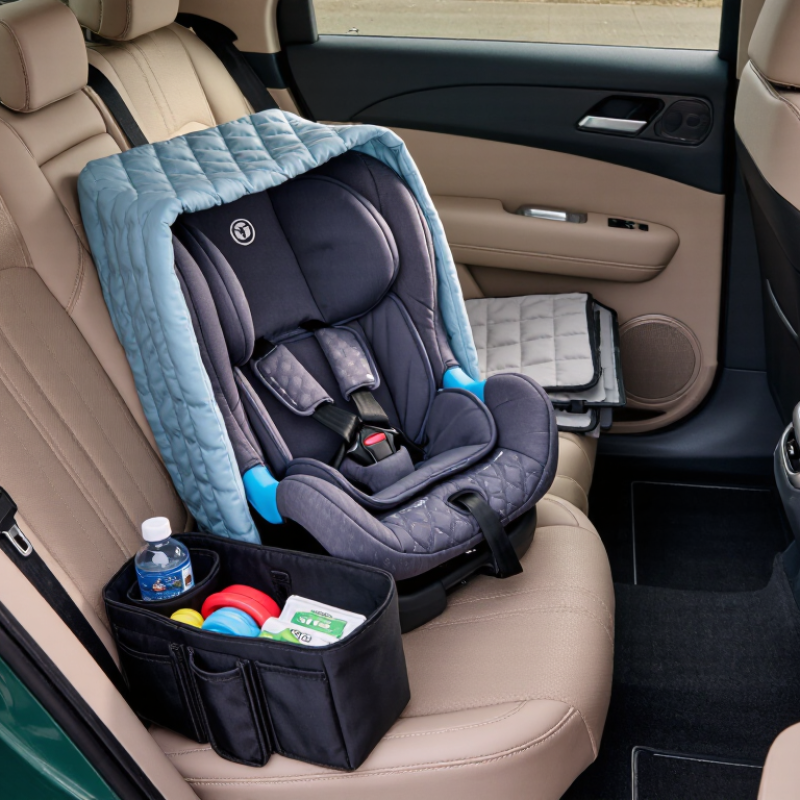
How to Choose the Right Car Seat Accessories in 2026?

Understanding Car Seat Compatibility and Safety Requirements in 2026

In 2026, accessory compatibility starts with the child seat’s manual and the vehicle owner’s manual. Check whether a seat protector, headrest, or harness cover is explicitly permitted for your exact setup. A thick cushion can change how the seat rests against the vehicle cushion; an added strap cover can affect harness fit. Small details matter. After installation, tug at the belt path and check that the seat moves no more than one inch side to side or front to back, following the seat’s instructions. Confirm that the harness lies flat and snug, with no bulky clothing underneath.

Safety data shows why careful checks are worthwhile.

NHTSA’s 2015 National Child Restraint Use Special Study found that 46% of observed car seats and booster seats were misused in at least one way. That figure is not a 2026 measurement, but it highlights how easily installation errors occur.

Match the accessory to the seat’s approved instructions, not merely its shape or advertised fit. Keep labels and manuals available, and ask a certified child passenger safety technician to review an uncertain installation. I still find compatibility details easy to overlook, especially when a product looks harmless. A snug fit is not proof of a safe fit.

Identifying Which Accessories Match Your Child’s Age and Travel Needs

How to Choose the Right Car Seat Accessories in 2026?

Identifying Which Accessories Match Your Child’s Age and Travel Needs

The right accessory depends on your child’s size, your seat’s design, and the trip ahead. For an infant, a properly fitted head support should come with the seat or be approved for that exact model. Avoid adding cushions or inserts that did not come with it. They can change how the harness fits. Older children may enjoy a small, soft toy, while a washable seat protector can help with crumbs. Check the car seat and vehicle manuals before adding anything.

Travel needs matter, too. A removable sunshade can help on bright rides, but it must not block the driver’s view or interfere with airbags. For long trips, choose lightweight items that stay secured. Loose bottles and hard toys can become hazards during sudden stops. It is tempting to pack every comfort item. I sometimes think less is safer—and easier to clean.

Comparing Essential Car Seat Accessory Types and Their Uses

Car seat accessories solve different problems, and they are not interchangeable. A seat protector can catch crumbs and reduce scuffs, while a back-seat organizer keeps wipes and toys within reach. Check that any mat is approved for your specific seat and vehicle. A thick or slippery layer may affect installation. Small details matter.

A rear-facing mirror helps a caregiver check a child without turning around, but it should be secured and positioned outside the child’s reach. Sun shades can soften glare; choose one that does not block the driver’s view. These items improve convenience, not crash protection. NHTSA estimates that properly used car seats reduce fatal injury risk by 71% for infants and 54% for toddlers in passenger cars. That figure supports correct seat use, not the addition of extra accessories.

Harness pads, head supports, and bulky inserts need the most scrutiny. If an item did not come with the seat, confirm its use with the seat manufacturer’s instructions; added padding can change harness fit. NHTSA’s child-passenger guidance emphasizes selecting and using restraints according to the child’s size. The perfect accessory list is not obvious. I’d rather leave a questionable cushion out than guess about its effect. Check fit with the child buckled in, and keep loose objects secured.

Checking Materials, Fit, Installation, and Cleaning Requirements

Choose car seat accessories by checking material, fit, installation, and cleaning needs before buying. Start with the car seat instructions and your vehicle manual; compatibility is not universal. Look for smooth, durable fabric without loose ties or small parts that could snag. A soft texture may feel comfortable, but it should not interfere with the harness or buckle.

Tips: Check the seat’s approved-accessory list. Test fit before travel. Skip anything that changes how the harness sits.

Install each accessory exactly as its instructions describe. The harness should lie flat and snug against your child, without added padding beneath it unless the seat maker specifically permits it. It is easy to assume a “universal” label means a precise fit. It does not always. After installation, check that buckles open and close freely and that no straps are twisted. For cleaning, confirm whether the fabric can be machine-washed or needs a damp cloth. Avoid harsh cleaners unless the instructions allow them; residue and shrinkage can affect fit. Keep the care directions handy.

How to Choose the Right Car Seat Accessories in 2026?

A practical checklist for checking materials, fit, installation, and cleaning requirements.

How to read this chart: Bars show the number of verification items in this quick checklist—not survey results or an official rating.

Check the accessory against the car seat and vehicle manuals. Confirm it does not interfere with the harness, buckle, or belt path; follow the manufacturers’ installation and care instructions; and, in the U.S., check for less than 1 inch of movement at the belt path and use the top tether for a forward-facing seat when required by the seat instructions. Requirements vary by seat and vehicle.

Evaluating Safety Guidance Before Buying or Using an Accessory

Before buying a car-seat accessory, read the restraint manual and the accessory instructions. The key question is not whether it looks soft, but whether the seat maker permits it for that exact model and child. Aftermarket padding, strap covers, mirrors, and toys may shift or affect harness fit. “Universal” does not prove compatibility. Fit matters.

The evidence gives reason to pause. NHTSA’s 2015 National Child Restraint Use Special Study observed child restraints in everyday use and found misuse in 46% of the seats assessed. That figure does not mean accessories caused the errors. It does show how easily setup details can be missed. The American Academy of Pediatrics advises caregivers to avoid add-on products unless the seat manufacturer supplies or approves them, since their crash performance may be unknown.

Before use, check that straps lie flat and the harness fits snugly, with no extra layer between the child and seat unless the manual allows it. Ask the manufacturer about a specific item, and keep the written answer. Follow both vehicle and seat instructions for mirrors or toys; loose objects can become hazards. I used to treat “fits” as “safe.” That shortcut deserves a second look. Manuals can be frustratingly vague. Pause, and verify.

FAQS

How can I check whether an accessory fits my child’s car seat?

Read both the car seat manual and vehicle manual. Check whether they permit that exact accessory. Looks can mislead.

Are aftermarket cushions or inserts safe for infants?

Use only inserts supplied with the seat or approved for its exact model. Extra padding can change harness fit. Better to pause.

How tight should the installed car seat be?

Follow the seat’s instructions. Many seats should move no more than one inch at the belt path. Check side to side and front to back.

How should the harness fit my child?

Straps should lie flat and feel snug. Avoid bulky coats beneath the harness. Check the fit after each adjustment.

Can I add a head support or strap cover?

Only if the seat maker allows that specific item. Added material may affect how the harness rests on your child. Small detail.

Are seat protectors and toys suitable for car trips?

Check the manuals before using a protector. Secure soft toys, and avoid loose bottles or hard objects that could move during a sudden stop.

Can I use a sunshade in the car?

Choose one that does not block the driver’s view or interfere with airbags. Follow the vehicle and seat instructions.

What if an accessory’s compatibility is unclear?

Leave it out for now. Ask the seat maker or a qualified child passenger safety technician, and keep any written guidance. I might overlook this, too.

Does research show that car seat setup mistakes are common?

A 2015 national study found misuse in 46% of observed child restraints. It was not a 2026 measurement, and it did not show accessories caused those errors.

Conclusion

Choosing the right car seat accessories in 2026 starts with confirming that every item is compatible with your specific car seat and vehicle. Consider your child’s age, size, and travel needs, then compare accessory types by their purpose rather than appearance alone. Items that seem convenient may affect how a seat fits or how its harness works, so prioritize compatibility and a secure fit.

Before buying or using an accessory, check its materials, installation instructions, and cleaning requirements. Make sure it does not interfere with the seat’s harness, buckles, or other safety features, and follow the car seat manufacturer’s guidance. Understanding how to choose the right car seat accessories means evaluating each item carefully and avoiding add-ons that are not approved for your seat. When in doubt, consult the manufacturer’s instructions or a qualified child passenger safety professional.

Oliver

Oliver

Oliver is a seasoned marketing professional with a wealth of expertise in driving brand awareness and engagement. With a deep understanding of our company's product offerings, he consistently delivers high-quality content that enriches our professional blog. His insights not only shed light on......