China Top 10 Common Car Seat Accessory Buying Mistakes?

Time:2026-10-02 Author:Sophia
0%

Buying car seat accessories in China can seem simple: choose a colorful mirror, cushion, toy, or organizer. Yet small products may affect fit, visibility, airflow, and everyday safety. Parents often trust attractive packaging more than compatibility details. That choice can create avoidable risks.

So, what are common mistakes when buying car seat accessories? Industry safety data offers an important warning. The U.S. National Highway Traffic Safety Administration reports that nearly half of child restraints are used incorrectly. Its inspection guidance emphasizes correct installation, harness positioning, and restraint compatibility. Although this figure concerns car seats rather than every accessory, it reveals a wider problem: convenience products are often added without checking the original restraint system. A thick aftermarket cushion, for example, can change how a harness sits across a child’s body.

The Insurance Institute for Highway Safety also evaluates booster-seat fit across different vehicle and child combinations. Its research shows that effective protection depends on proper belt placement, not appearance alone. The World Health Organization identifies child restraints as a proven road-safety measure, while warning that misuse reduces their benefit. These findings support a practical buying approach: verify vehicle and seat compatibility, avoid untested add-ons, check materials and cleaning instructions, and examine whether an accessory blocks the driver’s rear view. Read the manual. Measure twice.

Some product descriptions remain vague. I have also seen buyers assume “universal” means genuinely suitable for every vehicle. It does not. This guide examines ten common purchasing mistakes, including ignoring certification information, prioritizing decoration, and overlooking installation and maintenance details. The goal is not fear. It is better judgment, supported by safety evidence and real family routines.
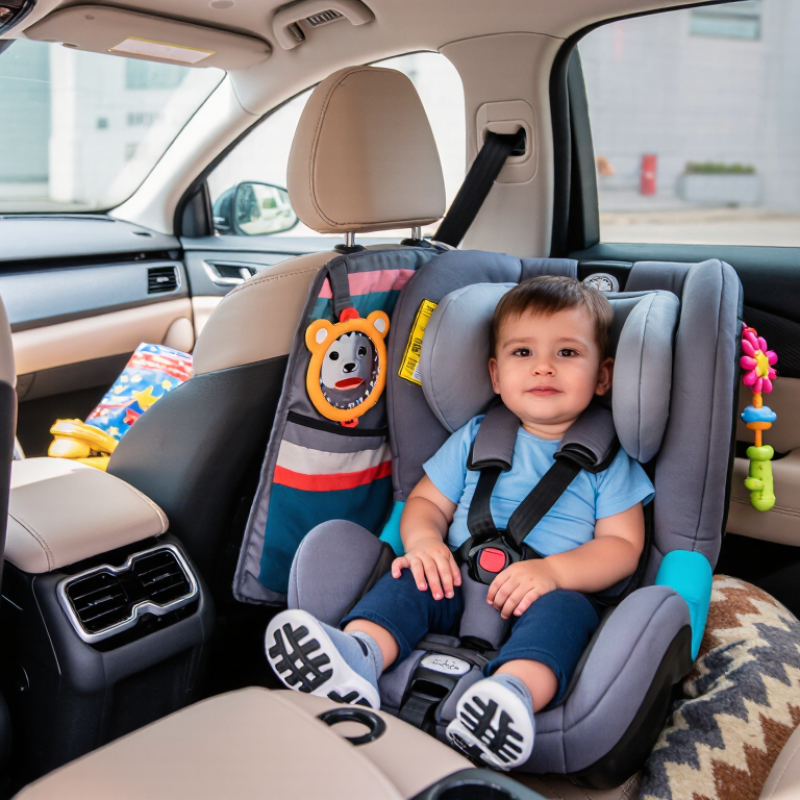
China Top 10 Common Car Seat Accessory Buying Mistakes?

Map China’s 10 Buying Mistakes to GB 27887 and UNECE R129 Requirements

China’s ten common car seat accessory mistakes often begin with the wrong standard. Buyers choose by age alone, ignore height, exceed the permitted mass, or trust a universal-fit label. Others buy a seat without checking GB 27887 approval details, UNECE R129 stature limits, or the vehicle’s anchorage layout. R129 uses child stature and includes side-impact requirements. GB 27887 compliance depends on the applicable edition and stated classification. These details matter more than attractive packaging.

Other mistakes include adding untested harness pads, thick winter inserts, loose toys, seat covers, mirrors, and aftermarket buckles. Buyers may also select ISOFIX accessories for a belt-installed seat, overlook top-tether routing, or purchase second-hand equipment with hidden crash damage. In practical inspections, a soft insert can change belt position across the abdomen or neck. That is uncomfortable to admit, but “fits well” is not the same as tested compatibility. GB 27887 and R129 approve defined restraint systems, not every accessory sold beside them. An accessory cannot automatically inherit the seat’s approval.

Tips: Read the restraint label before shopping. Match the child’s current stature, mass, and installation method. Check whether the accessory appears in the approved configuration or manufacturer instructions. Do not add anything that changes belt geometry, buckle access, or side protection. Test the installation in your actual vehicle. A small gap at the belt path can reveal a serious mistake. When instructions conflict, pause and seek written technical guidance rather than guessing.

Avoid Unsafe Add-Ons: NHTSA Says Child Seats Cut Infant Fatality Risk by 71%

China Top 10 Common Car Seat Accessory Buying Mistakes?

A car seat can save a child’s life, but extra products may reduce its protection. NHTSA reports that child restraints lower fatal injury risk by 71% for infants under one. The reduction is 54% for children aged one to four. These figures come from national traffic safety data. They also show why correct installation matters more than attractive accessories.

Common mistakes include buying untested head supports, strap covers, seat protectors, mirrors, toys, and bulky winter inserts. Thick padding can create space between the harness and the child’s body. In a crash, that small gap may become dangerous. The American Academy of Pediatrics advises using only accessories supplied with the seat or approved by its manufacturer. I once assumed a softer insert meant better comfort. That assumption needs questioning.

Tips:

Read the seat manual before buying add-ons. Check whether each accessory has crash-test evidence for that exact seat. Keep harness straps flat and snug. Remove thick coats before buckling. Inspect the seat after every trip. A certified child passenger safety technician can identify loose installation, twisted straps, or incorrect recline angles. NHTSA also recommends replacing seats after serious crashes, even when visible damage is absent. An accessory that looks harmless in a shop may behave differently at highway speed.

Check Fit Before Price: NHTSA Reports 54% Lower Toddler Fatality Risk

China Top 10 Common Car Seat Accessory Buying Mistakes?

Price often attracts attention first, but fit deserves priority. The National Highway Traffic Safety Administration reports that child restraints reduce fatal injury risk by 71% for infants and 54% for toddlers in passenger cars. That figure makes a poorly fitted seat more than an uncomfortable purchase. It becomes a safety concern. Before buying mirrors, cushions, strap covers, or organizers, check the seat’s height and weight limits. Confirm its belt path, harness position, and vehicle compatibility. A bargain accessory is not useful if it changes the harness angle.

Small details matter. A thick aftermarket cushion can push a child forward, while bulky covers may hide loose harness webbing. The Centers for Disease Control and Prevention recommends keeping children properly restrained according to age, size, and developmental needs. Professional fitting checks also show why reading instructions matters; many caregivers assume a tight-looking harness is secure. It may not be. Place the child’s back flat against the seat, remove heavy outer clothing, and perform the pinch test at the shoulder. I would still recheck after washing or replacing an accessory. Children grow quickly, and yesterday’s correct fit can quietly become today’s mistake.

NHTSA reports that child restraint systems reduce fatal injury risk by 71% for infants under one year old and by 54% for toddlers aged one to four. Before comparing price, verify that the car seat and accessories fit the child, vehicle, installation position, and manufacturer requirements.

Verify ISOFIX, Belt Paths, and Vehicle Compatibility Against GB 27887

China Top 10 Common Car Seat Accessory Buying Mistakes?

A common mistake is trusting an ISOFIX label without checking the vehicle. ISOFIX anchors may exist, yet the seat can still press against the buckle or recline poorly. Look between the seat cushions. Confirm both anchor points are visible and reachable. Then read the vehicle handbook for approved seating positions. Do not assume every rear seat is compatible.

Belt routing requires equal care. Follow the restraint’s printed belt path, not the shortest-looking route. The lap belt should sit low and remain flat. The shoulder belt must not cross the child’s neck or twist around the shell. Check whether the accessory blocks the belt buckle, locking mechanism, or top tether. Small interference matters. A loose installation can appear secure during a quick hand test.

GB 27887 compliance should be checked through clear certification information and current documentation. The standard supports safety requirements, but it does not remove the need to verify vehicle fit. Measure carefully. Check the seat angle, door clearance, headrest position, and available space beside another passenger. Accessories can change these details. I have seen buyers focus on padding and ignore belt geometry. That choice needs reconsideration. If the instructions conflict, stop and seek qualified fitting advice before using the restraint.

Reject Unverified Claims: WHO Finds Proper Child Restraints Cut Deaths by 60%

China Top 10 Common Car Seat Accessory Buying Mistakes?

When buying car seat accessories in China, many families trust attractive claims before checking evidence. The most serious mistake is accepting “safer” or “tested” without a traceable safety report. WHO guidance supports properly used child restraints, and widely cited findings associate them with up to 60% fewer child deaths in crashes. That figure is not a promise for every journey. It depends on correct sizing, installation, vehicle compatibility, and consistent use. Marketing language cannot replace those checks.

Common errors include loose toys, thick seat covers, decorative straps, and untested cushions. Others involve incompatible mirrors, weak organizers, replacement buckles, used padding, belt clips, or oversized head supports. Some accessories can alter belt tension or hide damage. Check labels, manuals, weight limits, crash-test documents, and return policies. Ask a qualified child-passenger safety technician to inspect the fit. The harness should lie flat, remain snug, and stay below bulky winter clothing. Do not assume a perfect-looking seat is properly installed. That assumption is easy to make. Even careful parents may overlook a twisted belt or a gap near the child’s shoulder. Rechecking after every adjustment is slower, but safer than trusting an unverified promise.

FAQS

How much can a correctly used child restraint reduce infant fatality risk?

National safety data reports a 71% reduction for infants under one. Correct installation remains essential.

Are extra cushions and head supports always safe?

No. Thick padding can create dangerous space between the harness and the child. Small gaps matter.

Which accessories should parents avoid?

Avoid untested cushions, bulky winter inserts, loose toys, decorative strap covers, and replacement buckles. They may change harness tension.

How can I check an accessory before buying it?

Read the restraint manual. Confirm approval for that exact seat. Look for clear crash-test evidence and weight limits.

Does an ISOFIX label guarantee vehicle compatibility?

No. Check both anchor points, the vehicle handbook, buckle clearance, recline angle, and top-tether access.

How should the seat belt be routed?

Follow the printed belt path, not the shortest route. Keep the lap belt low and flat. Never twist it.

What harness problems should parents inspect?

The straps should lie flat and remain snug. Check for twists, shoulder gaps, and bulky clothing underneath.

Can a quick hand test confirm secure installation?

Not always. A seat may feel firm while using the wrong belt path. A trained technician can identify hidden fitting errors.

Should child restraints be replaced after a serious crash?

Yes, even without visible damage. Internal parts may fail silently. Inspect the seat after every journey.

What common buying assumption deserves reconsideration?

Softer does not always mean safer. I once believed extra padding improved comfort. That idea needs testing.

Conclusion

Buying the right car seat accessories requires more than comparing prices or choosing the most convenient add-ons. This guide explains what are common mistakes when buying car seat accessories, including selecting unverified products, overlooking seat fit, ignoring vehicle compatibility, and using accessories that interfere with harnesses, belt paths, or ISOFIX connections. It also shows how to assess products against GB 27887 and UNECE R129 requirements, helping parents identify suitable and properly tested options.

Safety should always come before appearance, comfort, or cost. Properly installed child restraints can significantly reduce the risk of serious injury and death, with evidence indicating up to a 71% lower fatality risk for infants, a 54% lower risk for toddlers, and an overall reduction in child deaths of around 60% when restraints are used correctly. Before purchasing, confirm the accessory’s fit, installation method, materials, and compatibility with both the child seat and vehicle.

Sophia

Sophia

Sophia is a dedicated marketing professional with an exceptional depth of knowledge about her company's products and services. With a keen understanding of market trends and customer needs, she crafts insightful blog posts that not only inform but also engage readers, enriching the company’s online......