China’s automotive seating accessories market combines practical design, comfort, and increasingly careful safety considerations. For drivers, passengers, fleet operators, and vehicle manufacturers, the right accessory can improve daily travel without changing the seat’s original structure. Common examples include breathable seat cushions, lumbar support pillows, heated seat pads, ventilated covers, memory foam cushions, neck pillows, armrest covers, and protective seat covers.
But what are the most popular automotive seating accessories, and why do buyers choose them? In many Chinese vehicles, breathable mesh cushions help reduce heat during humid summers. Memory foam supports can ease pressure during long commutes, while waterproof covers protect seats from coffee, dust, children, and pet hair. Heated pads remain popular in colder regions, although users should check product quality, wiring, and compatibility carefully. Small details matter.
Real-world experience also shows that comfort alone is not enough. A loose cushion may slide during sudden braking. Thick covers can interfere with side airbags, seat belts, sensors, or adjustable headrests. Reliable products should fit the vehicle correctly, use durable materials, and include clear installation guidance. Buyers should review testing information, supplier experience, warranty terms, and customer feedback instead of trusting appearance alone.
The market is broad.
Some products look impressive but perform poorly after repeated use. That is worth admitting. Automotive seating accessories should support safe, comfortable driving, not distract from it. This guide examines leading Chinese accessory categories, their practical benefits, common limitations, and the selection details that help buyers make more informed decisions.
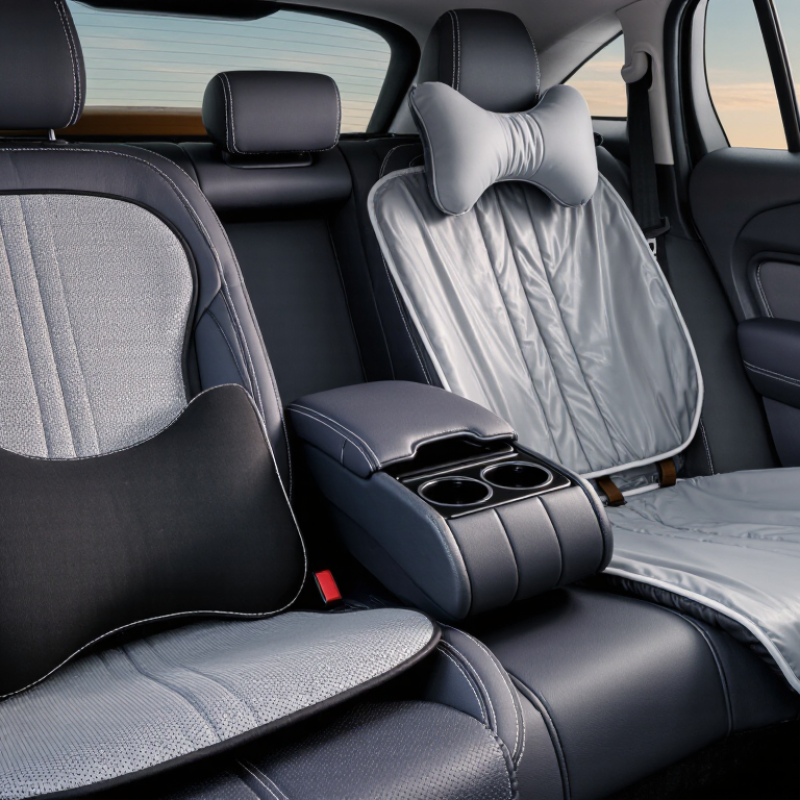
Automotive seating accessories are add-on products that improve comfort, support, protection, or daily seat usability. Common examples include seat cushions, lumbar pillows, headrest supports, protective covers, storage hooks, and heating or ventilation pads. They should fit the seat without blocking belts, airbags, controls, or adjustment rails. Not every cushion helps. A soft product may feel comfortable briefly but create poor posture during long trips.
In China’s automotive supply market, popular accessories often combine practical design with durable materials. Breathable mesh can reduce heat against the back, while high-density foam can support the lower spine. Waterproof covers help protect fabric from dust, drinks, and daily wear. Buyers should check stitching, odor, edge finishing, and strap strength. These details reveal more than attractive photographs. A careful fit test is essential because universal sizing is rarely truly universal.
Safety must remain central. Accessories should not interfere with side airbags or alter the driver’s stable seating position. Installation instructions should be clear, and materials should resist excessive shedding, cracking, or deformation. A common mistake is choosing appearance before compatibility. I still think some buyers overlook cleaning difficulty, especially with textured fabrics and tightly packed foam. Reliable suppliers provide measurements, material information, testing records, and realistic usage guidance. That evidence supports better decisions than exaggerated comfort claims.
China’s automotive seating accessory market is practical, varied, and strongly influenced by daily driving habits.
Seat covers remain one of the most common choices. They protect factory upholstery from dust, sweat, spills, and repeated friction. Breathable fabric suits hot summers, while leather-style materials offer easier cleaning and a more polished appearance.
Seat cushions are also widely used, especially in cities with long commutes. Common designs include foam cushions, ventilated pads, and temperature-sensitive materials.
Lumbar support pillows help drivers adjust lower-back pressure during extended journeys. Headrest pillows are popular with passengers, but their height and firmness need careful matching. A soft pillow can feel comfortable at first. It may still push the head forward.
Back-seat organizers and storage pockets are useful for family vehicles.
They hold bottles, tissues, cables, and small travel items without covering the whole seat. Protective seat mats help reduce marks from child seats, pets, or frequent loading.
In practical fitting work, poor sizing is a recurring problem. Loose covers can wrinkle near the belt area, while thick cushions may change driving posture. Accessories should not obstruct seat belts, airbags, adjustment rails, or electrical controls. Checking the vehicle manual and measuring the seat before purchase remains a simple, reliable step.
China’s leading automotive seating accessory manufacturers are often defined by capability, not publicity. They typically produce seat covers, cushions, headrest supports, lumbar pads, armrest components, and electronic comfort modules. Many operate near major vehicle manufacturing clusters, allowing faster sampling and easier coordination with seat makers.
Experienced suppliers usually combine material engineering with flexible production. They can work with leather, microfiber, fabric, foam, plastics, and temperature-resistant wiring. A reliable factory should provide dimensional drawings, material certificates, sample records, and clear inspection standards. Its workshop may include cutting tables, stitching lines, foam molding equipment, and aging-test stations. Small details matter. Uneven seams can affect comfort and appearance.
Leading manufacturers also understand different vehicle interiors. They adjust accessories for compact cars, commercial vehicles, electric models, and premium cabins. Some offer private-label development, packaging support, and moderate order quantities. However, production scale alone does not prove quality. I would not call any supplier the best without checking recent samples, defect reports, delivery records, and after-sales responses. That judgment can be uncomfortable, but it is necessary. Factory visits may reveal practical issues, such as weak traceability or inconsistent foam density. Buyers should verify performance under heat, repeated use, and daily cleaning. A polished catalog is useful, but hands-on evidence is stronger.
China’s automotive seating accessory supply chain commonly covers seat covers, headrests, cushions and foam, armrests, lumbar-support components, seat tracks and recliners, heating and ventilation modules, and occupant-sensing components.
The chart uses China’s total automobile production as a demand indicator for automotive seating accessories. Production increased from 25.225 million vehicles in 2020 to 31.282 million vehicles in 2024, supporting continued demand for seating-related components and aftermarket accessories. The figures are based on publicly reported China Association of Automobile Manufacturers data and do not represent any individual company or brand.
What Are China Top Automotive Seating Accessories?
China’s leading automotive seating accessories include fitted covers, lumbar cushions, seat organizers, heating pads, and protective floor-seat interfaces. Their design begins with accurate vehicle measurements. Engineers scan seat contours, headrest gaps, belt paths, and side-airbag zones. They then create digital patterns and test several physical samples. Materials usually combine knitted fabric, synthetic leather, foam, mesh, and anti-slip backing.
Production requires more than attractive stitching. Cutting machines improve pattern consistency, while computer-controlled sewing reduces seam variation. Foam density is adjusted for support, pressure distribution, and long-term comfort. According to the China Association of Automobile Manufacturers, China produced 31.28 million vehicles in 2024. This manufacturing scale supports faster sampling and specialized accessory supply chains. However, speed can create weaknesses. A prototype may fit well but wrinkle after repeated entry and exit. Experienced factories therefore perform abrasion, tensile, odor, colorfastness, and heat-aging tests. They also inspect stitching near airbag deployment areas. Safety compatibility must remain a design priority.
Tips: Request vehicle-specific samples, not universal claims. Check seam placement, foam recovery, and buckle access. Ask for test records based on recognized standards. Small details matter. A clean edge can improve comfort, but poor ventilation may cause heat buildup. Designers should review customer feedback after production, because real use often exposes problems that laboratory testing misses. Grand View Research also identifies steady global growth in automotive seating demand, encouraging more durable and ergonomic accessory designs.
China’s automotive seating accessories include seat cushions, lumbar supports, headrest hooks, protective covers, and storage organizers. Buyers should evaluate more than appearance. A soft cushion may feel comfortable, yet its foam can flatten after repeated use. Inspect density, stitching, seams, fasteners, and surface wear on physical samples.
Ask suppliers for material specifications, production photos, inspection records, and test reports relevant to your destination market. Check whether dimensions fit your seat model without blocking belts, controls, airbags, or driver visibility. Confirm odor performance, heat resistance, cleaning instructions, and color consistency. A sample that fits one vehicle may fail in another. Measure carefully.
Tips: Compare at least three samples. Test them in hot and cold conditions. Press the foam repeatedly. Pull every strap. Review packaging before ordering. Clarify minimum quantities, replacement procedures, lead times, and quality tolerances in writing. Supplier communication matters, but documents matter more. A polished catalog is not proof of stable production. I have seen buyers focus on low unit prices and overlook inspection costs. That decision can become expensive when returns, relabeling, or damaged cartons appear. Leave room for improvement, too; early samples often reveal unclear instructions or uncomfortable shapes.
They are add-on products that improve comfort, support, protection, or seat usability. Examples include cushions, lumbar pillows, covers, hooks, and ventilation pads.
Seat covers, foam cushions, lumbar supports, headrest pillows, and back-seat organizers are common choices. Storage pockets can hold bottles, tissues, and charging cables.
Covers reduce damage from dust, sweat, spilled drinks, pets, and repeated friction. Waterproof materials are practical, but textured fabrics may be difficult to clean.
Check its size, thickness, firmness, straps, and material. Measure the seat first. Universal sizing is not always universal.
Yes. It may feel pleasant briefly but push the hips or back into a poor position. Comfort can change during a long drive.
Request measurements, material details, sample records, inspection standards, and testing information. Recent samples matter more than attractive catalog images.
Accessories must not block seat belts, airbags, adjustment rails, or electrical controls. They should not change the driver’s stable seating position.
Common materials include breathable mesh, high-density foam, microfiber, fabric, plastics, and heat-resistant wiring. Material quality still needs practical testing.
Samples can reveal uneven stitching, weak straps, odor, cracking, or inconsistent foam density. A factory visit may expose problems hidden in polished photographs.
Many buyers choose appearance before compatibility. I still make that concern sound obvious. In practice, poor fitting remains surprisingly common.
Automotive seating accessories are products that improve comfort, safety, appearance, and functionality inside a vehicle. In China, common options include seat covers, cushions, headrest supports, lumbar pillows, armrest covers, seat organizers, heating and cooling pads, child seat accessories, and protective floor or backrest mats. When asking “what are the most popular automotive seating accessories,” buyers should consider products that combine practical comfort with easy installation, durable materials, and compatibility with different vehicle interiors.
Leading Chinese manufacturers typically develop these accessories through market research, material selection, prototype testing, and quality inspections. Their designs may focus on ergonomic support, breathable fabrics, water resistance, temperature control, or space-saving storage. Buyers should evaluate suppliers by reviewing material specifications, production capacity, quality-control procedures, customization services, packaging, delivery reliability, and after-sales communication. It is also important to request samples and verify product performance before placing large orders. A careful comparison of safety, durability, comfort, and total cost can help buyers select suitable automotive seating accessories from China.
Xotiq Auto