Choosing a seat cushion for back support can feel simple, but comfort depends on your body, chair, and daily habits. The best cushion is not always the thickest one. It should support your pelvis, reduce pressure, and help you sit with a balanced posture. In this 2026 guide, we explore how to choose seat cushions for back support using practical testing, material knowledge, and clear comfort criteria.
A good cushion should feel supportive without forcing your spine into an unnatural position. Memory foam may contour closely, while firmer foam can provide steadier support during long office sessions. Gel layers may improve pressure distribution, especially on hard dining chairs or vehicle seats. Small details matter. Check the cushion’s dimensions, height, cover fabric, grip, and cleaning instructions before buying. A cushion that slides every few minutes will not provide reliable support.
Your chair also matters.
From hands-on use, I have found that a cushion can improve sitting comfort, but it cannot correct every ergonomic problem. Desk height, foot placement, and screen position still affect your back. Some products feel excellent for twenty minutes but become too warm after several hours. That limitation is easy to miss. People with persistent pain, numbness, or mobility concerns should seek advice from a qualified healthcare professional. Use this guide as informed shopping support, not a replacement for clinical assessment. The right choice should feel stable, breathable, and sustainable throughout your normal day.
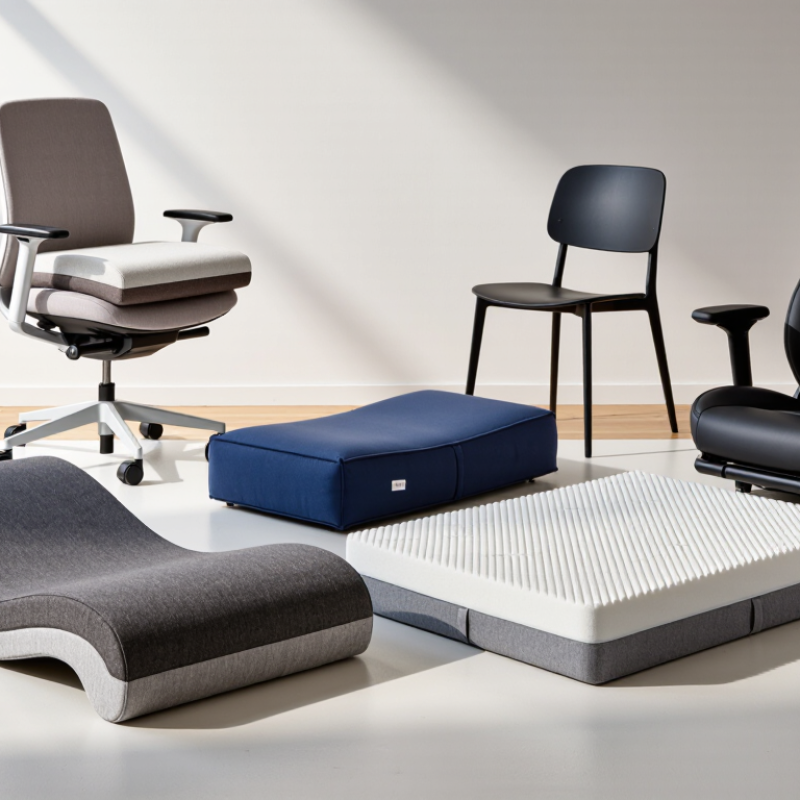
Low back pain affects an estimated 619 million people worldwide. That figure is large, but it does not explain every person’s discomfort. Pain may relate to prolonged sitting, weak movement habits, previous injury, or an unsuitable chair. A seat cushion can improve pressure distribution and pelvic positioning. It cannot diagnose the cause.
Start by observing your sitting pattern. Do your hips sink lower than your knees? Does your pelvis slide forward after thirty minutes? A medium-firm cushion may provide steadier support than very soft foam. Contoured designs can reduce pressure near the tailbone. A flat cushion may suit people who frequently change positions. Height matters too. Raising the seat excessively can tighten the hips and increase back strain.
Test the cushion with both feet resting on the floor. Your knees should remain near hip level, without your thighs pressing sharply against the desk edge. Sit for fifteen minutes, then stand and walk briefly. Notice numbness, pressure, or increased aching. Small details count. A cushion that feels comfortable immediately may become tiring later. I would also question my first impression, because comfort is not always support. Persistent pain, weakness, or leg symptoms deserves assessment from a qualified healthcare professional.
2026 Best Seat Cushions for Back Support: How to Choose?
A supportive seat cushion should fit your body, chair, and daily routine. Height matters because excessive lift can strain your knees and hips. A cushion that is too low may leave your pelvis tilted backward. Your feet should rest flat, with knees close to hip level. Measure your chair before choosing.
Firmness needs careful judgment. Dense foam usually offers steadier support, while softer foam feels comfortable at first. However, excessive softness can allow your pelvis to sink unevenly. I have found that medium-firm cushions support longer work sessions better. This is not universal. Body weight and sitting habits change the result.
Shape also influences spinal comfort. A gentle rear contour can support the pelvis without forcing it forward. A coccyx opening may reduce pressure near the tailbone, but its position must match your anatomy. Materials affect heat, durability, and stability. Breathable covers help during warm hours, while layered foam can balance pressure and support. Check whether the cushion keeps its shape after repeated use. Small changes matter. Test it for several days, and notice numbness, pressure points, or increased back tension. If discomfort continues, reassess the chair, posture, and professional guidance rather than blaming the cushion alone.
Choosing a seat cushion for back support starts with fit, not softness. In chair assessments, I check whether the hips and knees form roughly 90-degree angles. Your feet should rest flat on the floor, without pressure behind the knees. This position helps your pelvis stay balanced and reduces unnecessary strain on the lower back.
Measure your chair before buying. Check the seat width, depth, and available height. A cushion that is too thick may lift your hips and leave your feet dangling. A cushion that is too thin may compress quickly and provide little support. Sit on the cushion for ten to fifteen minutes. Notice whether your weight feels evenly distributed across both sitting bones.
Small details matter. The front edge should not press into your thighs. Your knees should point forward, and your shoulders should remain relaxed. If your hips sit higher than your knees, lower the cushion height or use a footrest. That adjustment is often overlooked.
Do not trust the first impression. A very soft cushion can feel comfortable briefly, then encourage slouching. I have also found that firm support may need a short adjustment period. Bodies differ, and a “perfect” 90-degree position is not always practical. Recheck your posture after working, driving, or sitting for an hour. Pain, numbness, or persistent discomfort deserves professional evaluation.
Choosing the best seat cushion in 2026 depends on where you sit and how long you sit there. For office chairs, memory foam or a contoured coccyx cushion can reduce pressure during long work sessions. A firm wedge may improve hip position, but it can feel too high for shorter users. In cars, choose a thinner cushion that does not lift your knees or interfere with seat belts. Gel layers may feel cooler, although temperature changes inside vehicles can affect firmness.
Wheelchair users need more than softness. A pressure-redistributing cushion should match the chair width, posture, and daily transfer routine. Air, foam, and hybrid designs each require careful adjustment. A qualified seating professional can assess pelvic alignment and pressure points. Travel cushions should be lightweight, foldable, and easy to clean. Inflatable models save space, but they may shift or lose pressure during use. That weakness matters.
Tips: Measure the seat before buying. Check cushion height, cover breathability, and non-slip backing. Sit for at least fifteen minutes when testing it. Notice numbness, sliding, or uneven pressure. Do not treat discomfort as proof that the cushion is working. A cushion cannot correct every posture problem. If pain persists, seek advice from a healthcare professional. My own preference can change after a long drive; comfort at ten minutes may mislead you.
Cushion thickness is one practical starting point when comparing office, car, wheelchair, and travel cushions. The ranges below reflect commonly available ergonomic cushion designs and are not medical prescriptions.
Thinner cushions generally fit tighter car and travel seats, while thicker wheelchair and office cushions can provide more pressure distribution and height adjustment. Always confirm that the cushion does not raise the hips so much that the knees fall below the seat or the feet lose stable contact with the floor.
A supportive seat cushion should reduce pressure without forcing your pelvis forward. Check the cushion while sitting for 30 minutes. Your feet should remain flat, and your knees should stay near hip level. Pressure relief matters most around the sit bones and tailbone. Memory foam can feel comfortable, but very soft foam may collapse quickly. A firm, layered design often offers steadier support. Still, comfort differs between users.
Heat control is easy to overlook. Look for breathable covers, ventilation channels, or moisture-resistant fabric. A cushion that traps heat can become uncomfortable during long office sessions. The cover should remove easily and survive repeated washing. Examine the zipper, stitching, and underside grip. Small tears become larger problems. They really do.
Safety includes clear weight limits and stable construction. Choose a cushion rated above the user’s body weight, especially when movement adds extra force. Never rely on a damaged cushion or one that slides constantly. Check for strong odors, loose particles, and unclear material information before regular use. A washable cover improves hygiene, but washing instructions still matter. My own first choice would have been a softer cushion, yet prolonged sitting exposed its weakness. Support is not judged in a showroom. Reassess it after several workdays, and stop using it if numbness or worsening pain appears.
Your hips and knees should form roughly 90-degree angles. Keep both feet flat on the floor. Avoid pressure behind your knees.
Measure the seat width, depth, and available height. A cushion that is too thick may leave your feet dangling. A thin cushion may compress quickly.
Sit on it for at least ten to fifteen minutes. Notice whether your weight feels balanced across both sitting bones. First impressions can mislead you.
It should not press into your thighs. Your knees should point forward, while your shoulders stay relaxed. Small pressure can become distracting later.
Lower the cushion height or use a footrest. Your hips should not rise far above your knees. This adjustment is often forgotten.
Memory foam or contoured designs may reduce pressure during extended work. A firm wedge may improve hip position. It can feel too high for shorter users.
Choose a thinner cushion that keeps your knees properly positioned. Make sure it does not interfere with the seat belt. Vehicle heat may change cushion firmness.
Wheelchair cushions should match the chair width, posture, and transfer routine. Travel cushions should be lightweight, foldable, and easy to clean. Inflatable models save space but may shift.
No cushion fixes every issue. Recheck your posture after an hour of sitting. Persistent pain, numbness, or discomfort needs professional evaluation.
Check for sliding, uneven pressure, or numbness after longer use. Firm support may need adjustment. My preference can change after a long drive. That matters.
Choosing the right cushion begins with understanding your back-support needs, especially since lower back pain affects approximately 619 million people worldwide. This guide explains how to choose seat cushions for back support by comparing essential ergonomic factors, including cushion height, firmness, shape, and material. The goal is to support a neutral posture without creating pressure or forcing the pelvis into an uncomfortable position.
It also covers practical fit measurements: your hips and knees should remain close to 90 degrees, with both feet resting firmly on the floor whenever possible. Different cushion types are evaluated for office chairs, car seats, wheelchairs, and travel use. Finally, the guide highlights safety and durability features such as pressure relief, heat control, washable covers, stable construction, and suitable weight limits, helping readers select a comfortable, supportive cushion for everyday use.
Xotiq Auto